
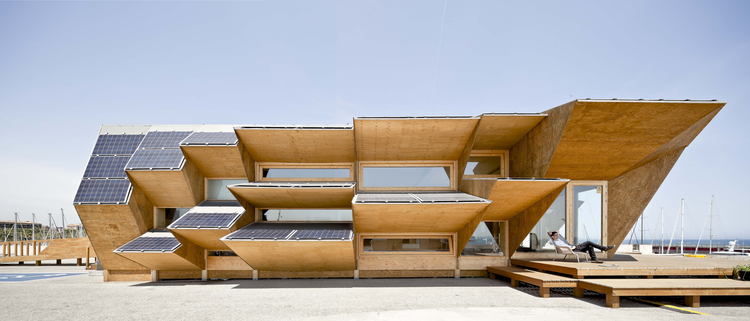
The pursuit of an architecture degree represents a unique confluence of artistic vision, technical precision, and profound social responsibility. For aspiring architects, selecting the right university is a pivotal decision that shapes not only their education but their entire professional trajectory and philosophical approach to the built environment. This comprehensive guide delves into the world’s leading institutions for architecture degrees, moving beyond superficial rankings to explore the distinctive pedagogical philosophies, specialized resources, and global opportunities that define excellence in architectural education. In an era marked by urgent challenges like climate change, urbanization, and social inequality, these schools are at the forefront of redefining the architect’s role, equipping students with the tools to design a more sustainable, equitable, and aesthetically resonant future. We will examine the core pillars of a top-tier architecture program, provide an in-depth analysis of globally recognized leaders, and offer strategic guidance for selecting a university that aligns with your individual ambitions and creative ethos.
Defining Excellence in Architectural Education
Identifying a premier architecture school requires looking beyond名气. Several interconnected pillars distinguish exceptional programs.
A. Pedagogical Philosophy and Curriculum Structure
The best programs offer a balanced, dynamic curriculum that evolves with the times. A robust core typically includes architectural history and theory, building technology and materials, structural engineering principles, environmental systems, and digital fabrication. Leading-edge curricula increasingly integrate mandatory modules on sustainable design, resilient urban planning, and social equity. The pedagogical approach should foster both critical individual thinking and collaborative problem-solving, often through a “studio culture” that is the heartbeat of architectural education.
B. Faculty Expertise and Industry Connections
A school’s faculty should be a blend of renowned academic scholars and practicing architects with significant real-world experience. This ensures that theoretical knowledge is constantly tested against practical application. Furthermore, strong, active connections with prestigious architecture firms, NGOs, and government bodies facilitate invaluable internship opportunities, live project briefs, and a direct pipeline to employment.
C. Facilities and Technological Resources
State-of-the-art facilities are non-negotiable. This includes expansive design studios, advanced material workshops (wood, metal, robotics), digital labs with cutting-edge software for BIM, parametric design, and environmental simulation, and extensive architectural libraries with rare collections. Access to fabrication tools like 3D printers, laser cutters, and CNC routers is now fundamental.
D. Accreditation and Professional Recognition
Prospective students must verify that the program holds the relevant professional accreditation in its country (e.g., NAAB in the USA, RIBA in the UK, CAA in many Commonwealth nations). This accreditation is often essential for obtaining a professional license to practice architecture.
E. Global Perspective and Networking Scope
Top institutions cultivate a truly international environment, with diverse student bodies, faculty, and exchange programs. They encourage participation in global competitions and conferences, building a powerful international network that becomes a lifelong professional asset.
In-Depth Analysis of Leading Global Institutions
The following institutions are consistently recognized for their profound impact on architectural discourse and practice.
A. Massachusetts Institute of Technology (MIT) – Cambridge, USA
MIT’s School of Architecture and Planning operates at the nexus of design, science, and technology. Its philosophy is deeply rooted in research-driven design and innovation.
-
Strengths: Unparalleled focus on technological frontiers: computation, robotics, and urban sciences. Programs like the Media Lab and the Senseable City Lab offer interdisciplinary realms few can match. Its research into sustainable building technologies and smart cities is world-leading.
-
Distinctive Offerings: The unique “Architecture + Urbanism” program and strong ties to engineering departments allow for radical specialization. The MITdesignX accelerator helps students launch entrepreneurial ventures in design.
-
Career Pathway: Graduates are highly sought after for tech-forward design firms, research institutions, and roles focusing on the future of urban infrastructure and digital fabrication.

B. The Bartlett School of Architecture, UCL – London, UK
Renowned for its experimental and theoretically rigorous approach, The Bartlett encourages students to challenge conventional boundaries of what architecture is and can be.
-
Strengths: A vibrant, sometimes avant-garde, studio culture with units led by prominent international practitioners. Exceptional strength in speculative design, advanced architectural theory, and digital design methodologies.
-
Distinctive Offerings: A wide array of radical postgraduate programs, such as Bio-Integrated Design, Architectural Computation, and Space Syntax. Its annual Summer Show is a major event in the global architectural calendar.
-
Career Pathway: Graduates often become influential designers, critics, and academics, known for their conceptual strength and innovative design thinking.
C. Delft University of Technology (TU Delft) – Delft, Netherlands
As one of Europe’s largest and most respected architecture faculties, TU Delft is celebrated for its practical, research-based, and socially responsive approach.
-
Strengths: A strong emphasis on building technology, climate design, and large-scale urban planning. The Dutch context informs a deep expertise in water management, resilient landscapes, and bicycle/pedestrian-centric urbanism.
-
Distinctive Offerings: The famous “Bouwkunde” curriculum integrates design with meticulous technical and managerial training. Its Robotic Building lab and Green Village living lab provide exceptional hands-on research platforms.
-
Career Pathway: Graduates are known as highly competent, technically adept architects, excelling in European firms focused on sustainability, infrastructure, and public projects.
D. ETH Zurich – Zurich, Switzerland
ETH Zurich combines Swiss precision with profound theoretical inquiry. It maintains a steadfast commitment to the craft of building and the cultural substance of architecture.
-
Strengths: A balanced, comprehensive curriculum that gives equal weight to artistic design, constructional clarity, and engineering integrity. Famous for its focus on detail, materiality, and structural honesty.
-
Distinctive Offerings: The studio system often involves complex, real-site projects. The network with the Swiss Federal Institute for Forest, Snow and Landscape Research (WSL) fosters unique expertise in alpine and landscape architecture.
-
Career Pathway: Graduates are recognized for their exceptional rigor and craftsmanship, leading to careers in high-profile practices known for exquisite detailing and environmental sensitivity.
E. University of California, Berkeley – Berkeley, USA
Berkeley’s College of Environmental Design frames architecture within the urgent contexts of environmental sustainability, social justice, and urban resilience.
-
Strengths: Unrivaled interdisciplinary focus. Architecture students engage with city planning, landscape architecture, and environmental policy. The program has a deep commitment to addressing homelessness, equitable housing, and community-driven design.
-
Distinctive Offerings: Centers like the Berkeley Center for New Media and the Institute of Urban and Regional Development provide rich interdisciplinary research opportunities. Its location in the progressive San Francisco Bay Area informs its activist design stance.
-
Career Pathway: Graduates often pursue careers in public-interest design, sustainable urban development, policy think tanks, and firms specializing in green building and community engagement.
Emerging Powerhouses and Specialized Programs
Beyond the historical giants, several institutions offer compelling, specialized alternatives.
A. National University of Singapore (NUS)
A leading Asian hub, NUS excels in tropical architecture, high-density urban design, and sustainable planning for rapidly growing megacities. Its global network across Asia is a significant advantage.
B. The University of Tokyo (Todai)
Japan’s premier institution is revered for its meticulous engineering approach, disaster-resilient design (given Japan’s seismic activity), and innovative research in structural systems and material science.
C. The Southern California Institute of Architecture (SCI-Arc) – Los Angeles, USA
An independent, faculty-governed school, SCI-Arc is a laboratory for radical artistic experimentation. Located in a vast warehouse, its studio-centric model pushes the boundaries of form, theory, and digital culture.
Strategic Guide for Selecting Your Ideal Architecture School
Choosing a school is a personal decision. Follow this strategic framework.
A. Conduct a Deep Self-Assessment
Identify your primary drivers: Are you drawn to high-tech innovation, social advocacy, artistic experimentation, or traditional craftsmanship? Your answers will guide your search.
B. Analyze Curriculum and Specializations Meticulously
Scrutinize course catalogs. Does the program offer electives or tracks in your area of interest, be it heritage conservation, parametric design, or real estate development?
C. Evaluate the Studio Culture and Faculty Work
The studio atmosphere can be intensely competitive or collaboratively supportive—know which environment you thrive in. Research the design work and publications of faculty members; their interests often define a school’s character.
D. Consider Location as an Academic Resource
A city itself is a living textbook. Studying urban design in Singapore, Zurich, or Mexico City offers fundamentally different lessons. Consider the local architecture scene, internship availability, and cultural context.
E. Navigate Financial and Logistical Realities
Honestly assess tuition, cost of living, and scholarship opportunities. Consider visa requirements for international study and the post-graduation work rights offered by the country.
The Future Trajectory of Architectural Education
Architectural education is undergoing a significant transformation, influenced by several key trends that prospective students should watch.
A. The Imperative of Climate-Conscious Design
Sustainability is no longer a specialty but a core competency. Leading programs are embedding life-cycle analysis, regenerative design, and carbon-neutral construction principles throughout the curriculum.
B. Digital Integration: BIM, AI, and Parametrics
Proficiency in Building Information Modeling (BIM) is standard. The new frontier is understanding generative design algorithms and artificial intelligence as collaborative tools for optimizing form, performance, and construction logistics.

C. Interdisciplinary and Systemic Thinking
The most pressing design problems affordable housing, climate migration, public health require architects to collaborate with ecologists, data scientists, sociologists, and economists. Programs fostering this mindset will lead.
D. Emphasis on Social Equity and Community Engagement
There is a growing movement toward decolonizing architectural curricula and emphasizing participatory design processes that genuinely serve community needs, moving beyond a solely client-driven model.
Conclusion: Building Your Foundation for Impact
The journey to becoming an architect begins with the critical choice of an educational institution. The world’s top schools for architecture degrees offer far more than a prestigious diploma; they provide a formative intellectual community, a set of ethical frameworks, and a toolkit of skills with which to confront the defining challenges of our century. Whether your aspiration is to design awe-inspiring cultural landmarks, innovate in sustainable building systems, or shape equitable cities, the right program will both challenge and nurture your vision. By carefully aligning your personal passions with a school’s specific strengths and philosophical outlook, you lay the foundation for a career that is not only professionally successful but also deeply meaningful. Invest the time in thorough research, reach out to current students and alumni, and choose the institution that will best empower you to leave a positive, lasting imprint on the world through the profound art and science of architecture.