In an industry where prestige is often equated with decades of experience and weathered blueprints, a seismic shift is occurring. A new generation of visionaries is challenging the very timeline of architectural mastery. At the forefront of this revolution is a singular, captivating narrative: that of the youngest architect in history to clinch multiple, coveted international awards. This is not merely a story of precocious talent; it is a deep dive into the confluence of digital-native thinking, sustainable urgency, and a radical reimagining of what it means to build for our world. It’s a blueprint for the future, drafted by the hands of the present.
A. Deconstructing the Prodigy Phenomenon: Beyond the “Youngest” Label
The term “youngest” often sparks fascination, but to reduce this achievement to age alone is to miss the profound architectural discourse it introduces. This phenomenon signifies a fundamental change in the ecosystem of design.
A. The Digital Native Advantage: Unlike predecessors who adapted to digital tools, this generation is native to them. From mastering complex BIM (Building Information Modeling) software and parametric design algorithms in their teens to utilizing VR for immersive client walkthroughs, their fluency is instinctual. They conceptualize in 3D, iterate with computational design, and collaborate globally in the cloud, compressing what was once a years-long learning curve into months.
B. Unburdened by Convention: With fewer years in traditional firm hierarchies, these young architects often exhibit a fearless approach to form, material, and program. They are not rewriting the rules; they are operating from a rule-set they themselves are coding, blending disciplines like biotechnology, material science, and social anthropology into their core practice.
C. The Imperative of Sustainability: For this generation, sustainability is not an add-on LEED certificate; it is the non-negotiable first principle. Their award-winning projects frequently showcase revolutionary use of recycled materials, closed-loop water systems, energy-positive structures, and a deep biomimicry that seeks not just to minimize harm but to create regenerative environmental footprints.
B. The Award-Winning Blueprint: Anatomy of a Groundbreaking Project
Analyzing the projects that have captured the attention of juries from the Pritzker Prize committee to the Aga Khan Award reveals a consistent pattern of innovative elements.
A. Contextual Poetry, Not Imposition: Their designs often demonstrate a sensitive, profound dialogue with the context. This might mean a community center in a rural area that uses locally sourced earth and traditional building techniques augmented by modern seismic resilience, or an urban structure that actively mitigates heat island effect while creating public social spaces.
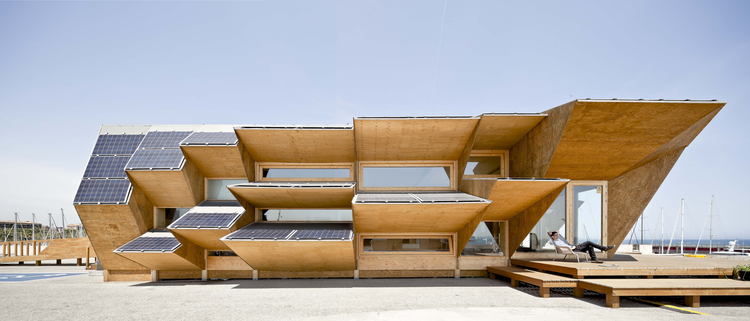
B. Material Innovation and Storytelling: Expect to see materials with a narrative: concrete mixed with recycled textile fibers, photovoltaic glass that powers the building’s facade, or self-healing bio-concrete. Each material choice is a calculated statement about resource consciousness and aesthetic innovation.
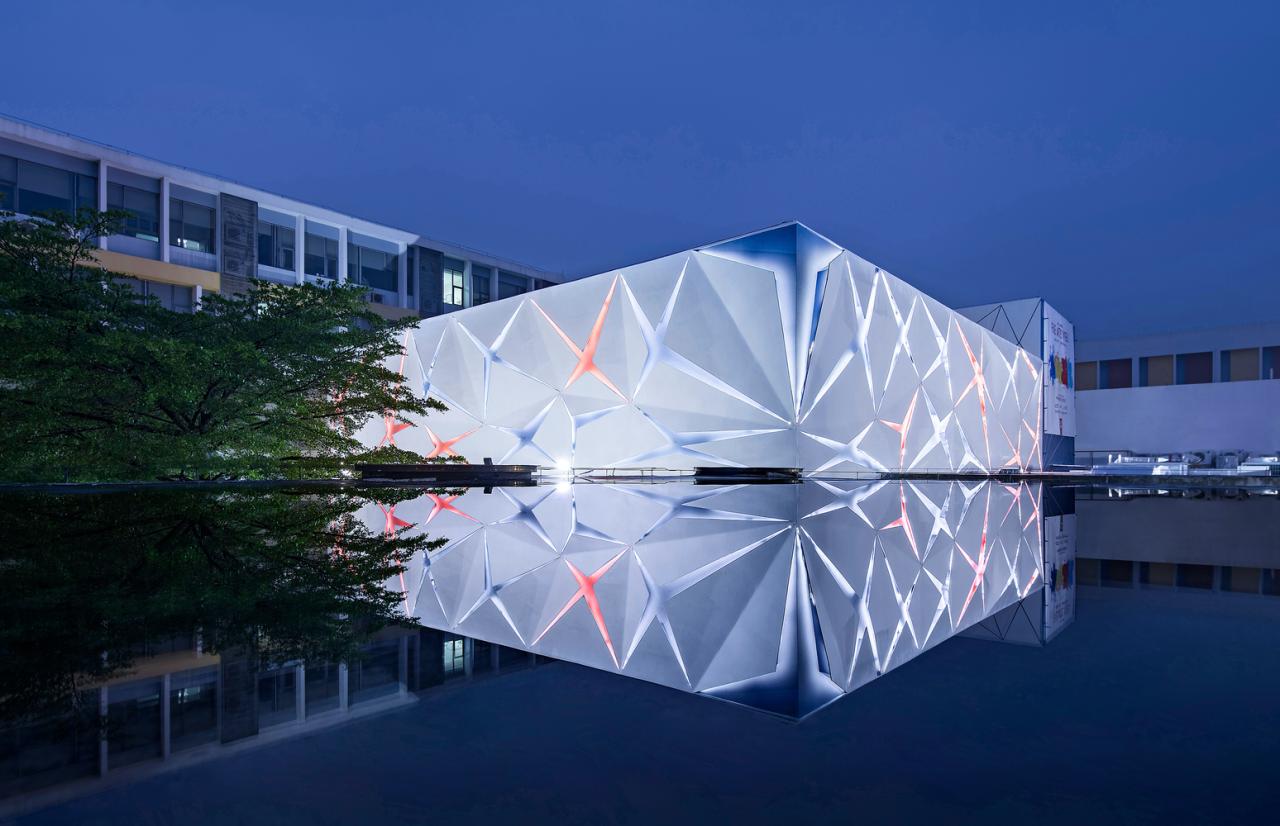
C. Social Architecture as a Core Function: Many winning projects prioritize social equity. Designs might focus on affordable housing models that feel luxurious, educational spaces that democratize access, or infrastructure for marginalized communities. The architecture serves as an active agent for social change, a factor highly valued by contemporary award bodies.
D. Technological Synthesis: The seamless integration of smart technology is paramount. This includes IoT-enabled building management for ultimate efficiency, adaptive facades that respond to sun and wind, and interiors that can be reconfigured via app-based commands, ensuring the building is dynamic and future-proof.
C. The Crucible of Creation: How a Prodigy is Forged
Such excellence is not born in a vacuum. It is the product of a unique and accelerated developmental ecosystem.
A. Early and Unfettered Access to Knowledge: The democratization of knowledge through online platforms like MOOCs, architectural forums, and open-source software communities allows talent to bloom anywhere, bypassing traditional gatekeepers. A teenager in Jakarta can study under a master from Zurich via a webinar series.
B. Mentorship in the Digital Age: While traditional apprenticeships exist, mentorship now often happens asynchronously and globally. A promising student’s Instagram portfolio might catch the eye of a renowned architect in Copenhagen, leading to a virtual internship. This global network provides accelerated feedback and exposure.
C. The Competitive Catalyst: University and Beyond. Prestigious university competitions (e.g., the RIBA President’s Medals) and international open calls for ideas serve as critical proving grounds. These venues allow young architects to test their ideas against global peers, gain visibility, and attract their first clients directly, sometimes even before graduation.
D. Navigating the Professional Labyrinth: Challenges and Triumphs
The path is not lined only with accolades. The young award-winner faces a distinct set of professional hurdles.
A. The Credibility Question: Convincing clients, contractors, and planning committees to trust a vision from someone with a young face remains a significant barrier. The awards act as a crucial shield, but the fight for legitimacy is a daily exercise in confidence and demonstrated competence.
B. Business Acumen vs. Creative Vision: Mastering the art of architecture is one thing; running a successful practice is another. They must rapidly learn about liability, contracts, project management, budgeting, and the relentless pursuit of new commissions—all while maintaining their design ethos.
C. The Burnout Paradox: The intense pressure to sustain a meteoric rise, manage a growing team, and consistently innovate at the highest level creates a high risk of creative and physical burnout. Sustainable success requires building a supportive team and learning to delegate.
E. The Ripple Effect: Impact on the Global Architectural Landscape
The influence of this youngest award-winning cohort extends far beyond their individual portfolios, sending waves through the entire industry.
A. Inspiring a Generational Wave: Their visibility makes architecture a tangible, exciting career for millions of young people. They prove that impactful work does not require waiting for grey hair, dramatically expanding and diversifying the talent pipeline.
B. Pressuring Established Norms: Their success forces established firms to innovate faster, adopt new technologies more readily, and take bolder risks. It creates a healthy, competitive tension that pushes the entire profession forward.
C. Redefining Architectural Discourse: The themes they champion climate urgency, social justice, technological fusion become central to global architectural conversations. They shift the focus from iconic, solitary structures to holistic, systemic solutions for human and planetary well-being.
F. Beyond the Hype: A Sustainable Legacy in the Making
The true test, however, lies not in winning awards before 30 but in building a legacy that endures. The most compelling among these prodigies understand this deeply.
A. Evolving the Signature Style: The challenge is to avoid being pigeonholed by an early, award-winning style. The great architectural journey involves continuous evolution, learning, and sometimes, daring to deconstruct one’s own celebrated formulas.
B. From Prodigy to Mentor: The final stage of this arc is the transition from celebrated individual to an enabler of others. Establishing scholarships, leading academic departments, or creating collaborative platforms to nurture the next wave becomes the ultimate contribution, closing the loop and ensuring the cycle of innovation continues.
Conclusion: A New Dawn for the Built Environment
The story of the youngest internationally awarded architect is far more than a human-interest headline. It is a potent symbol of a field in vigorous, necessary transition. It tells us that the tools to solve our greatest urban and environmental challenges are being wielded by a generation that is unafraid to use them differently. They remind us that genius is ageless, and that the future of our cities, homes, and public spaces is being actively drafted by those who will inhabit them the longest. Their awards are not the culmination, but merely the first bold markers on a career-long blueprint for a better, more beautiful, and more resilient world. As we watch this story unfold, we are not just observing a career; we are witnessing the reshaping of our physical world, one visionary, award-winning project at a time.