The very foundation of architecture the fusion of art, science, and human habitation stands at the precipice of its most profound transformation. For centuries, the architect has been the revered master planner, the visionary translating dreams into concrete, steel, and glass. Today, a new, intangible collaborator enters the studio: Artificial Intelligence. The question, “Will AI replace architects?” ignites both anxiety and excitement. This is not a simple binary of human versus machine, but a complex evolution that will redefine the profession. This article delves deep into the seismic shifts AI brings, exploring its potential not as a usurper, but as a catalyst for a new architectural renaissance, demanding we examine the irreplaceable core of human-centric design.
A. The Dawn of the Digital Co-Designer: How AI Infiltrates the Architectural Workflow
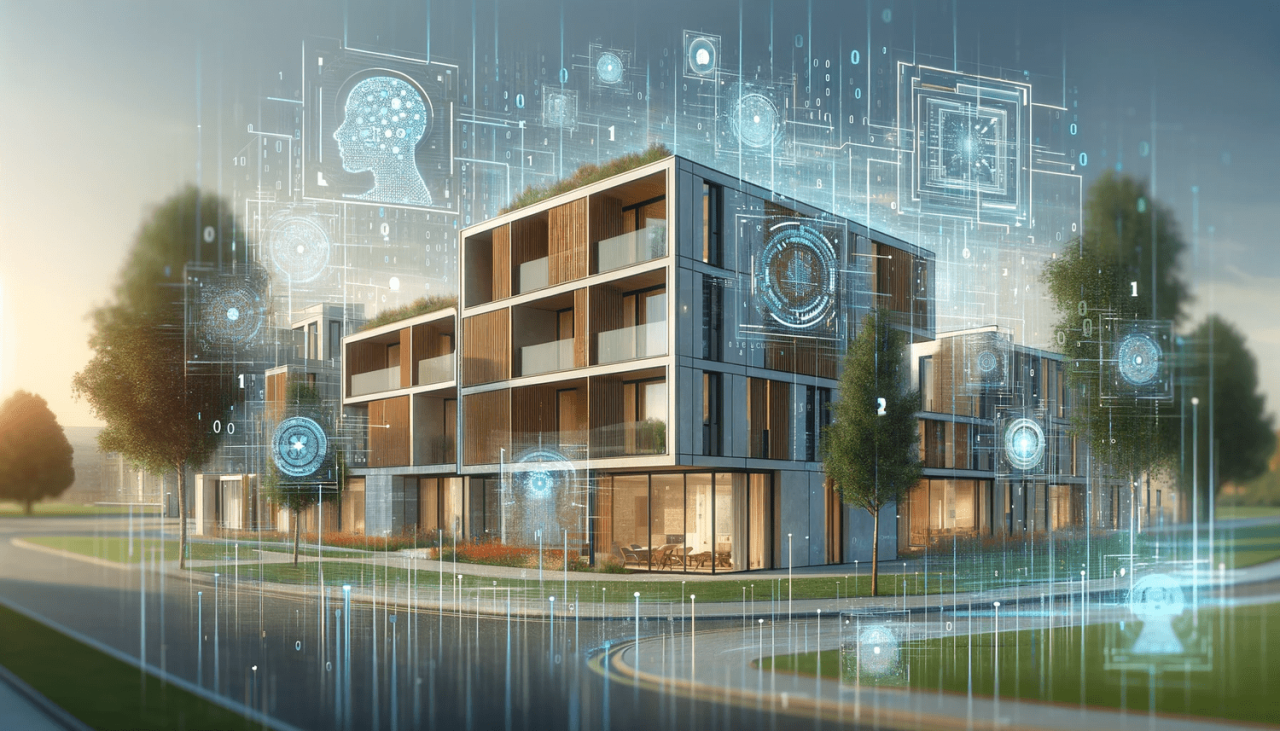
AI is not a singular tool but a suite of technologies machine learning, generative design, neural networks, and vast data analytics that are integrating at every stage of the architectural process.
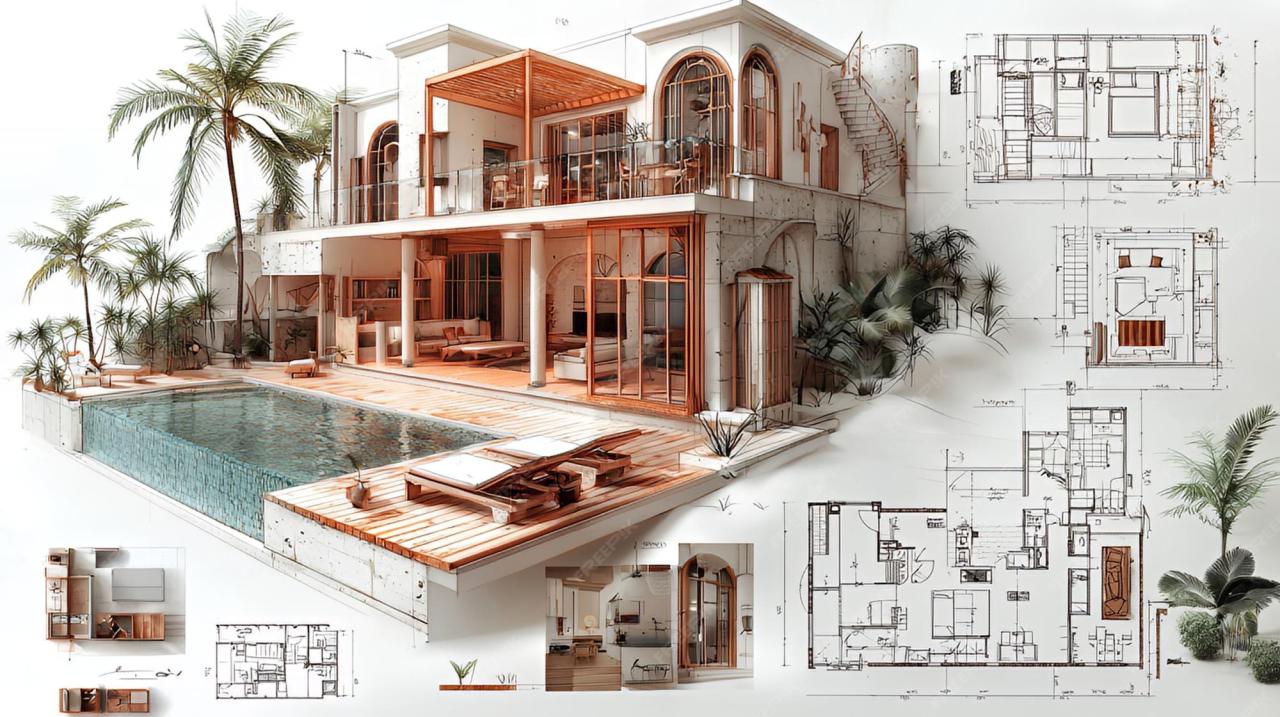
A.1. Conceptualization and Generative Design: This is AI’s most dazzling application. Platforms like Autodesk’s Dreamcatcher or TestFit allow architects to input a set of constraints: site dimensions, solar orientation, budget, number of rooms, materials, and even aesthetic preferences (e.g., “brutalist” or “biophilic”). The AI then generates not one, but thousands of viable design options in minutes. It explores permutations of form and function a human mind might never conceive, optimizing for efficiency, structural integrity, and energy performance from the very first sketch. The architect’s role shifts from initial drafter to curator and refiner of machine-generated possibilities.
A.2. The Optimization Engine: Performance Beyond Intuition: AI models can simulate and predict a building’s behavior with staggering accuracy. They analyze computational fluid dynamics (CFD) for optimal airflow, daylighting models to maximize natural light while minimizing heat gain, and acoustic performance in complex geometries. This moves sustainable design from a qualitative goal to a quantifiable, optimized outcome, enabling the creation of truly net-zero or energy-positive structures that are deeply responsive to their local climate.
A.3. The Documentarian: Automating the Tedious: A massive portion of architectural labor involves the production of detailed construction documents, compliance checks, and repetitive drafting. AI-powered tools can now auto-generate floor plans from 3D models, ensure all elements comply with constantly updated building codes by scanning thousands of pages of regulations in seconds, and automatically detail structural connections. This liberates human architects from immense drudgery, allowing focus on higher-order problem-solving.
A.4. The Construction Sentinel: AI On-Site. The influence extends beyond the studio to the site. AI analyzes data from drones and sensors to monitor progress, identify safety hazards (like workers without helmets), and track material logistics. It can predict potential delays by comparing real-time progress against the digital twin—a virtual replica of the building.
B. The Unassailable Human Fortress: What AI Cannot Replicate
Despite these formidable capabilities, the essence of architecture transcends pure optimization and form generation. Several domains remain firmly, and likely permanently, within the human realm.
B.1. The Poetry of Context: Culture, Emotion, and Narrative: Buildings tell stories. They respond to cultural heritage, evoke emotion, and create a sense of place. An AI can analyze data on “Japanese aesthetics,” but it cannot genuinely understand the serenity of a Zen garden or the social rituals a community space must nurture. The architect interprets the soul of a place, weaving client history, urban lore, and aspirational identity into a tangible form. This emotional and narrative intelligence is uniquely human.
B.2. Ethical Judgment and Social Responsibility: Architecture is an ethical practice. It involves tough choices about social equity, gentrification, environmental justice, and accessibility. Should an algorithm optimize for developer profit or community benefit? Who programs the ethical framework? The moral weight of these decisions requires human empathy, philosophical reasoning, and accountability—qualities AI does not possess.
B.3. The Master of Ambiguity and Unspoken Needs: Clients often don’t know what they want until they see it. The architect’s skill lies in interpreting vague desires, reading between the lines, and innovating solutions for needs unarticulated. This requires intuition, psychological insight, and the nuanced dance of client-architect dialogue. An AI operates on explicit parameters; it cannot navigate the beautiful ambiguity of human desire.
B.4. The Craftsman of Sensory Experience: Architecture is experienced through the senses: the warmth of wood underfoot, the sound of water in a courtyard, the play of dappled light through a facade. This tactile, sensory design requires a lifetime of lived human experience and aesthetic sensibility. While AI can simulate light, it cannot feel the emotional resonance of a perfectly proportioned space.
C. The Evolving Blueprint: The Future Architect in an AI-Augmented World
The future is not replacement, but radical collaboration. The profession will stratify and evolve, giving rise to new specializations.
C.1. The “AI Whisperer” or Design Strategist: This will be a new apex role. These architects will be experts in crafting the perfect prompts and constraints for generative AI, setting the creative direction. They will possess deep knowledge of AI tools, data analysis, and parametric design, acting as conductors of a digital and human creative orchestra.
C.2. The Deep Specialists in Human-Centric Domains: As technical tasks are automated, value will skyrocket for architects who focus on areas AI cannot touch: participatory design facilitators, experts in therapeutic architecture (e.g., for healthcare or dementia care), and masters of vernacular and culturally-sensitive design.
C.3. The Hyper-Collaborator: Architecture will become even more integrated with engineering, ecology, and social science. The architect will be the central node, using AI-derived insights to facilitate deeper collaboration across disciplines, synthesizing complex data into coherent, buildable, and beautiful solutions.
C.4. The Curator of the Physical: In a world saturated with digital options, the ability to understand and specify materials, texture, and craft at a high level will be paramount. Hands-on knowledge of construction and detail will become a premium skill.
D. Navigating the Shockwaves: Challenges and Ethical Imperatives
The transition will not be seamless. Significant challenges must be addressed:
D.1. The Devaluation of Mid-Level Skills: Tasks like schematic drafting and code analysis, which form the traditional training ground for junior architects, may diminish. The profession must reinvent its apprenticeship model, focusing earlier on strategic thinking, AI tool literacy, and client relations.
D.2. Data Bias and Homogenization: AI learns from existing data. If trained primarily on a canon of Western architecture, it may perpetuate stylistic biases and limit cultural diversity in its outputs. Vigilant human oversight is needed to ensure AI serves as a tool for innovation, not regurgitation.
D.3. The Intellectual Property Conundrum: Who owns a design primarily generated by AI? The prompter? The programmer of the algorithm? The company that owns the software? New legal and professional frameworks will be urgently required.
D.4. The Accessibility Divide: High-end firms will rapidly adopt advanced AI, potentially creating a gap between “tech-rich” and “tech-poor” practices. Ensuring equitable access to these tools will be crucial for a healthy, competitive industry.
E. Conclusion: Beyond Replacement, A Renaissance of Relevance
The notion of AI making architects obsolete is a profound misconception. A more accurate vision is that AI will replace tasks, not the architect. It will automate the calculable, freeing the human mind to focus on the profound: the poetic, the empathetic, the ethical, and the experiential.
The architects of the future will wield AI as the greatest tool since the drafting board or CAD software. They will be strategists, humanists, and master synthesists. The “future shock” is real, but its outcome is not obsolescence. It is an invitation a demand, even for the profession to shed its vestigial roles and double down on its core mission: to create meaningful, beautiful, and responsible environments for humanity. The buildings of tomorrow will be born from a powerful new symbiosis, where silicon calculates possibilities so that human spirit can make the final, inspired choice. The blueprint for the future is being written, not by machines alone, but in the collaborative language of human and artificial intelligence.