In the realm of creating beautiful, functional, and safe built environments, two professions stand at the forefront: architects and interior designers. To the layperson, their roles may seem to blur, leading to the common misconception that they are interchangeable. However, understanding the distinct expertise, educational paths, and legal responsibilities of each is crucial for anyone embarking on a construction or renovation project. This comprehensive guide delves deep into the unique worlds of architecture and interior design, clarifying their differences, overlaps, and how they collaborate to transform spaces from mere concepts into livable art. Choosing the right professional can mean the difference between a project that is structurally sound, compliant with codes, aesthetically pleasing, and one that faces costly delays, legal issues, or fails to meet your vision.
A. The Architect: Master of Structure, Form, and the Built Environment
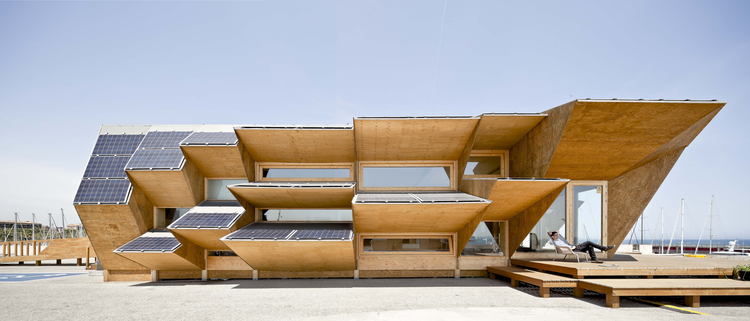
An architect is a licensed professional whose primary domain is the entire building its skeletal framework, its external shell, and its overall relationship with the surrounding environment. Think of the architect as the author of the building’s very DNA.
A.1. Core Responsibilities and Expertise
An architect’s mandate is broad and deeply technical. Their core responsibilities include:
-
Conceptual Design and Feasibility: Translating a client’s needs and dreams into initial design concepts, considering site conditions, zoning laws, and budget.
-
Structural Integrity and Safety: Designing load-bearing walls, foundation systems, roof structures, and ensuring the building can withstand environmental stresses like wind, snow, and seismic activity.
-
Spatial Planning and Flow: Orchestrating the macro-scale layout of rooms, corridors, and how occupants move through the building in a logical and efficient manner.
-
Building Systems Integration: Coordinating the fundamental systems of a building, including HVAC (Heating, Ventilation, and Air Conditioning), plumbing, electrical, and structural elements from the outset.
-
Exterior Design and Envelope: Crafting the building’s facade, selecting exterior materials, and designing elements like windows, roofs, and outdoor spaces.
-
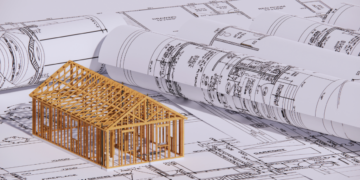
Code Compliance and Permitting: Ensuring the design adheres to a complex web of local, state, and national building codes, fire safety regulations, and accessibility standards (like the ADA). They prepare the detailed construction documents required for obtaining building permits.
-
Construction Administration: Often acting as the client’s agent during construction, reviewing shop drawings, conducting site visits, and certifying payments to contractors to ensure the project is built according to plan.
A.2. Educational and Licensing Requirements
The path to becoming a licensed architect is rigorous and lengthy, typically requiring:
-
Education: A professional degree from an accredited program (Bachelor of Architecture, B.Arch, or Master of Architecture, M.Arch).
-
Internship: Completion of the Architectural Experience Program (AXP), involving thousands of hours of supervised work across various project phases.
-
Examination: Passing the challenging six-part Architect Registration Examination (ARE).
-
Licensing: Obtaining a state license, which requires ongoing continuing education to maintain.
This stringent process legally authorizes an architect to stamp and seal construction drawings, a necessity for permit approval on structural work.
B. The Interior Designer: Orchestrator of Experience, Aesthetics, and Human-Centric Space
While the architect designs the vessel, the interior designer shapes the experience within it. Interior design focuses on the interior environment, enhancing the quality of life, culture, and well-being of occupants through purposeful design solutions.
B.1. Core Responsibilities and Expertise
An interior designer’s expertise is centered on the human interaction with interior space:
-
Space Planning (Interior-Focused): Optimizing the layout of furniture, fixtures, and equipment within the architectural shell to improve functionality, circulation, and ergonomics.
-
Human Behavior and Well-being: Applying principles of environmental psychology to create spaces that support mood, productivity, health, and comfort.
-
Aesthetic Development: Crafting the cohesive visual narrative of a space through color palettes, materials, textiles, furniture, lighting, and artwork.
-
Finish and Material Specifications: Selecting and specifying all interior finishes—flooring, wall coverings, countertops, paints, and tiles—based on durability, sustainability, maintenance, and aesthetic value.
-
Fixture and Furnishing Design/Selection: Curating or custom-designing furniture, lighting fixtures, cabinetry, and decorative elements.
-
Building Codes (Interior-Specific): Ensuring designs comply with interior-focused codes, such as egress paths, occupancy loads, and specific regulations for commercial spaces regarding materials flammability and accessibility.
-
Project Management for Interiors: Coordinating with vendors, contractors, installers, and craftsmen to realize the design vision, often managing budgets and timelines specific to the interior scope.
B.2. Educational and Credentialing Pathways
The interior design profession also has formal requirements, though they vary more widely than architecture:
-
Education: A degree in interior design from an accredited institution is increasingly standard, covering history, theory, space planning, materials, and CAD/BIM software.
-
Certification/Licensing: In many U.S. states and jurisdictions, interior designers must pass the National Council for Interior Design Qualification (NCIDQ) Exam to become certified or licensed, especially for commercial work. This credential signifies a high level of competence and understanding of codes.
-
Specializations: Designers often specialize in residential, commercial, hospitality, healthcare, or sustainable (LEED, WELL) design.
C. Head-to-Head Comparison: Key Differentiators
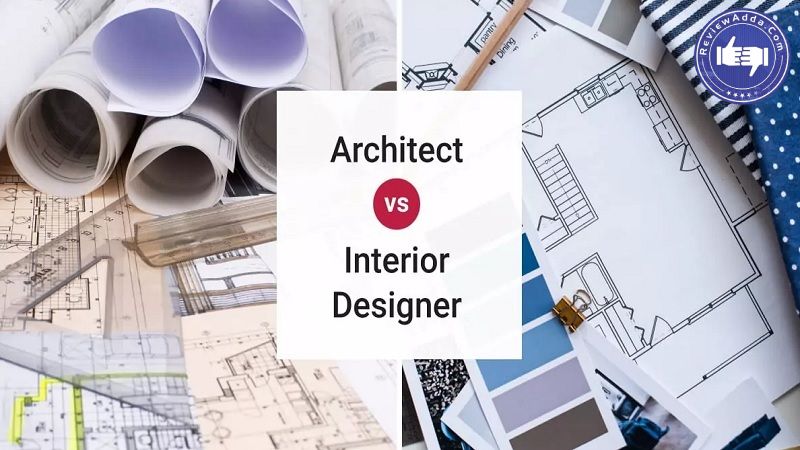
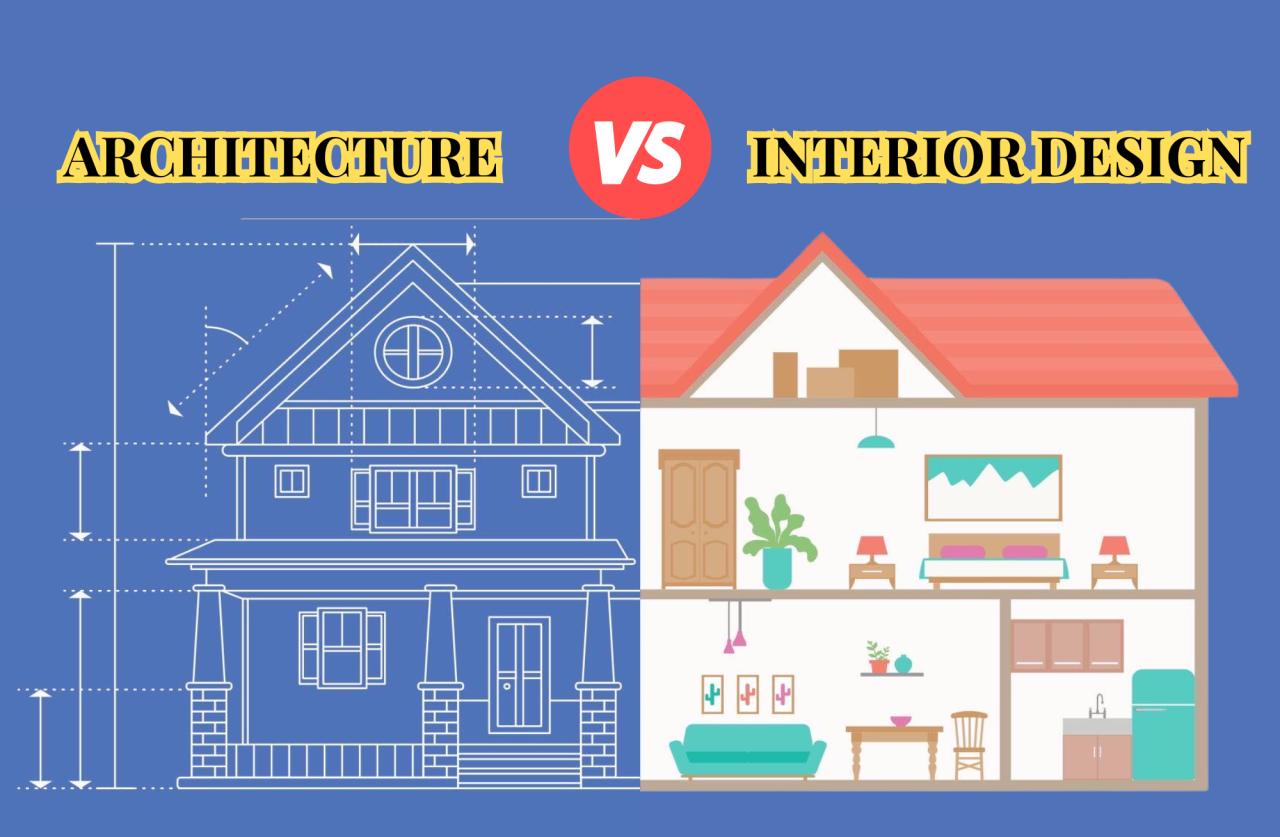
To crystallize the distinction, here is a direct comparison of their focal points:
-
Scale of Work: Architects work on the macro scale (the whole building and site). Interior designers work on the micro scale (the interiors of the building).
-
Primary Focus: Architects prioritize structure, safety, and exterior form. Interior designers prioritize functionality, aesthetics, and human experience.
-
Legal Authority: Only licensed architects can stamp structural and architectural drawings for permits. Certified interior designers can stamp interior plans in jurisdictions requiring it.
-
Timeline of Involvement: Architects are involved from the very beginning of a project, from conceptual site work. Interior designers are often brought in once the architectural shell is defined, though early collaboration is ideal.
-
Deliverables: Architects produce site plans, foundation plans, framing plans, elevations, and building sections. Interior designers produce interior plans, reflected ceiling plans, finish schedules, furniture plans, and detailed millwork drawings.
D. The Critical Overlap and The Power of Collaboration
The most successful projects occur in the “Gray Zone” of collaboration. This overlap includes:
-
Space Planning: While the architect defines where the walls are, the interior designer determines what happens between them. Early collaboration ensures walls are placed in optimal locations for interior function.
-
Lighting Design: Architects design natural light via windows and skylights; interior designers plan artificial lighting layers (ambient, task, accent) for mood and function. They must work in concert.
-
Sustainability: Both professionals advocate for sustainable practices architects through building orientation and systems, interior designers through material selection (low-VOC paints, recycled content) and indoor environmental quality.
-
Building Systems Integration: Interior designers must understand the placement of HVAC vents, electrical outlets, and plumbing chases, which are dictated by the architectural and engineering plans.
An architect might design a beautiful, soaring ceiling with skylights, but without the interior designer’s input on light control, furniture scale, and acoustics, the space could be glaring, echoey, and feel uncomfortable. Conversely, an interior designer’s vision for an open kitchen may be impossible if the architect hasn’t allowed for the removal of a load-bearing wall.
E. Who Do You Need? A Decision-Making Guide for Clients
Choosing between or engaging both professionals depends entirely on your project scope:
-
You Need an ARCHITECT if: You are building a new structure from the ground up, adding a significant addition, altering the building’s footprint or roofline, or undertaking major structural changes (removing walls, adding floors). You need someone to navigate zoning laws and secure the primary building permit.
-
You Need an INTERIOR DESIGNER if: Your project is contained within the existing walls, focusing on space optimization, furniture layout, comprehensive aesthetic overhaul, material and finish selection, and custom millwork. This is typical for renovations, remodels, and furnishing projects.
-
You Need BOTH if: You are undertaking a new build, a major renovation, or a high-end commercial project. This integrated approach ensures the architecture and interiors are conceived as one holistic vision from the start, preventing costly changes later and yielding a superior, cohesive result.
F. The Evolving Landscape: Technology and Specialization
Both fields are being transformed by technology. Building Information Modeling (BIM) allows architects and interior designers to collaborate in a shared 3D model, detecting clashes (e.g., a duct running through a beam) before construction. Virtual Reality (VR) enables clients to “walk through” spaces before they are built.
Furthermore, specializations are deepening. You might hire an architect specializing in sustainable passive house design, while your interior designer might specialize in biophilic design or ergonomics for aging in place. This underscores the importance of selecting a professional whose niche aligns with your project’s specific goals.
G. Debunking Common Myths
-
Myth 1: Interior decorators and interior designers are the same.
Reality: Interior decoration is a subset of design focused solely on aesthetics—paint, fabrics, furnishings. Interior design involves technical, functional, and code-compliant space planning. Not all decorators are designers. -
Myth 2: An architect can handle everything, including interior details.
Reality: While some architects offer interior design services, their core training is structural. A dedicated interior designer brings specialized knowledge in materials, furnishings, and human-centric design that often surpasses an architect’s interior focus. -
Myth 3: Hiring both is a luxury only for large projects.
Reality: For any significant investment, the cost of hiring both professionals is often offset by the value they bring: avoiding errors, securing better pricing through trade networks, and increasing the property’s long-term value and appeal.

Conclusion
Architects and interior designers are not rivals but essential, complementary partners in the symphony of creating built environments. The architect provides the score the fundamental structure and form while the interior designer conducts the orchestra within, bringing harmony, nuance, and life to the performance. By understanding their distinct yet interconnected roles, you can make informed decisions, foster effective collaboration, and ultimately ensure your project is not only beautiful and functional but also safe, sound, and a true reflection of your vision. Investing in the right expertise from the outset is the most strategic step toward turning your architectural dreams into a successful, enduring reality.