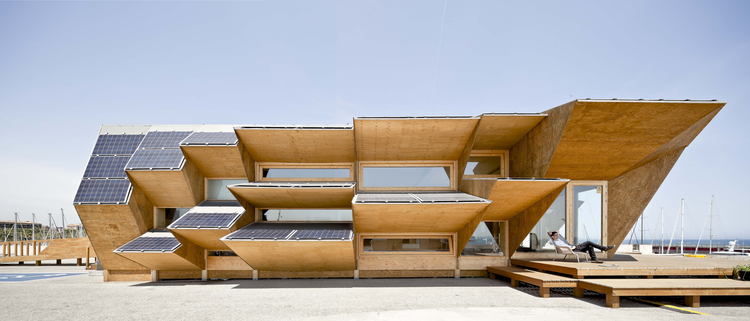

The realm of residential architecture is in a constant state of flux, a dynamic dialogue between human needs, technological advancement, and cultural shifts. Today’s leading architects are not merely designing shelters; they are crafting holistic environments that respond to post-pandemic lifestyles, climate urgency, and a deep-seated desire for authenticity and wellness. Moving beyond fleeting fads, the most significant home design trends are rooted in philosophical approaches to living, championed by architectural innovators worldwide. This comprehensive exploration delves into the core movements and specific features that are defining the contemporary and future home, providing a detailed blueprint for those seeking to understand or embark on a modern architectural journey. We will dissect how sustainability has moved from a bonus to a baseline, how technology integrates seamlessly into the fabric of walls, and how spatial design is being radically rethought to nurture both connection and solitude.
A. Foundational Philosophies Driving Contemporary Design
Before examining specific features, it is crucial to understand the overarching philosophies that architects are employing as their guiding principles.
1. Human-Centric & Wellness-Focused Design: Architecture is now fundamentally focused on occupant health. This goes beyond natural light to encompass neuroarchitecture—designing spaces that positively impact the brain and nervous system. Considerations include:
-
Circadian Lighting: Systems that mimic the sun’s natural progression to regulate sleep-wake cycles.
-
Acoustic Engineering: Strategic use of materials and layouts to minimize noise pollution and create sonic comfort.
-
Ergonomic Spatial Flow: Designing movement paths within a home to reduce stress and physical strain.
-
Mental Sanctuary: The intentional creation of “pause spaces” or meditation nooks disconnected from digital and familial buzz.
2. Contextual & Biophilic Integration: The trend is no longer about plopping a striking house on a plot. It’s about a sensitive dialogue with the site. This philosophy emphasizes:
-
Topographic Respect: Designing structures that follow the land’s natural contours, minimizing cut-and-fill excavation.
-
Local Material Sourcing: Using stone, timber, or brick native to the region, reducing carbon footprint and creating aesthetic harmony.
-
Biophilia Deep Dive: Moving beyond potted plants to immersive experiences—internal courtyards, water features that cool and soothe, green roofs, and “living walls” that actively improve air quality and provide insulation.
3. Adaptive Reuse & Narrative Preservation: A powerful trend led by architects is the transformation of non-residential structures. Converting barns, warehouses, churches, or industrial mills into homes is celebrated for its sustainability and character. The architectural challenge and triumph lie in weaving modern comforts into a historical fabric, preserving the soul and story of the original structure while making it functionally contemporary.
4. Future-Proofing & Flexible Living: In response to economic and social shifts, architects design for adaptability. Homes are conceived with “flex rooms” that can serve as a home office, guest suite, gym, or future nursery. Modular walls, convertible furniture, and multi-generational floor plans that allow for semi-autonomous living units are key components of this forward-thinking approach.
B. Key Architectural Trends in Spatial Design and Form
The application of the above philosophies results in distinct trends in the home’s very shape and organization.
A. The Demise of Rigid Corridors: Fluid, Open-Plan Evolution
The open-plan concept has evolved. It is no longer just a vast, undefined space. Architects now design “zones” within openness, using changes in ceiling height, flooring material, or strategic half-walls to subtly delineate areas for cooking, dining, and lounging without closing them off. The goal is visual connection and light penetration while maintaining a sense of defined purpose for each zone. Additionally, there is a calculated return of some enclosed spaces to provide acoustic privacy for calls or focused work.
B. The Emphasis on Vertical Space and Volume
With urban plots shrinking, architects are looking upward. Soaring double- or triple-height ceilings in key areas create dramatic volume and a sense of grandeur, even in modest footprints. This is often paired with:
-
Internal Balconies and Galleries: Providing overlooks and connectivity between upper floors.
-
Clerestory Windows: High-level windows that flood the core of the home with light while maintaining wall privacy.
-
Statement Staircases: Transform from mere circulation to sculptural centerpieces—floating treads, sculptural railings, or helical forms.
C. The “Indoor-Outdoor Room” as a Standard Feature
This is now a non-negotiable for many projects. Architects achieve this through:
-
Full-Height Sliding/Pocketing Glass Walls: That entire walls can disappear, erasing the boundary.
-
Consistent Material Palettes: Using the same flooring material (e.g., large-format porcelain tile) from the interior living room out to the patio.
-
Covered Outdoor Structures: Pergolas, deep eaves, and fully outfitted outdoor kitchens with plumbing and lighting make these spaces usable in various weather, effectively expanding the home’s liveable square footage.
D. The Integrated Courtyard and Internal Garden
For urban infill projects where perimeter views may be limited, architects are bringing the outside in. A central courtyard, skylit atrium, or light well becomes the home’s heart and primary source of daylight and vegetation, offering privacy and a profound connection to nature from every adjacent room.
C. Material and Technological Innovations
The toolkit of the modern architect has expanded dramatically, enabling new forms and functions.
A. Expressive and Sustainable Materiality
-
Mass Timber & CLT (Cross-Laminated Timber): A revolutionary structural material. It’s a renewable, strong, and beautiful alternative to steel and concrete, with a significantly lower carbon footprint. Exposed timber beams and panels add warmth.
-
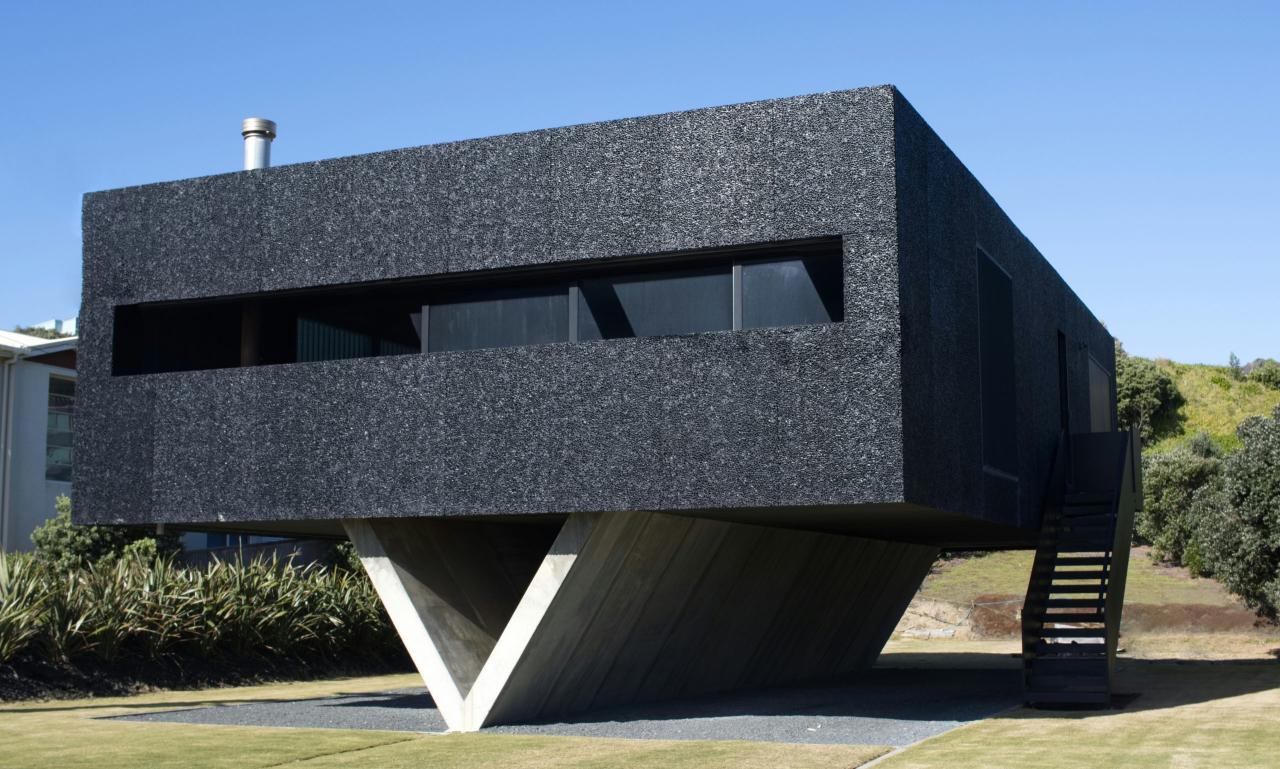
Textured Concrete: Used not as a hidden structural element but as a finished surface. Board-formed, polished, or stained concrete provides a raw, tactile, and monolithic aesthetic.
-
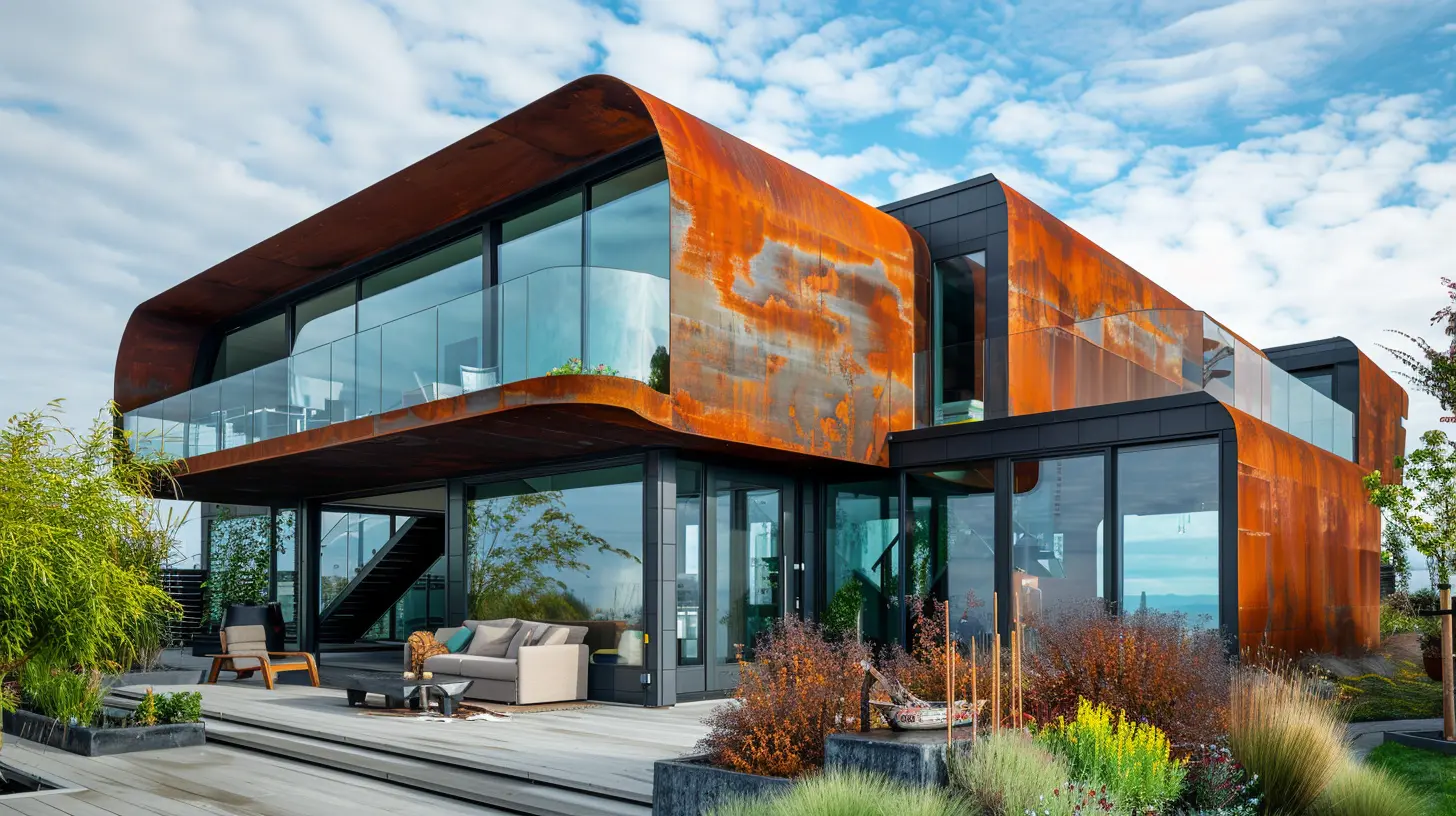
Composite and Recycled Claddings: High-performance materials made from recycled content, such as composite woods and metals, offer durability and eco-credentials.
-
Natural Stone in Bold Formats: Large, slab-sized applications of marble, travertine, or granite on waterfall islands or feature walls create undeniable drama and a connection to geology.
B. The Seamless Smart Home Ecosystem
Technology is now infrastructural, not an add-on. Architects collaborate with tech integrators from the first draft to embed:
-
Hidden Conduits and Charging Stations: For a truly wireless, clutter-free aesthetic.
-
Integrated Building Management Systems: Controlling climate, lighting, security, audio-visual, and shading through intuitive interfaces or voice.
-
Health-Monitoring Infrastructure: Including advanced air and water filtration systems, and even spaces pre-wired for future health sensor integration.
-
Energy Production and Management: Solar tiles (like Tesla Solar Roof), battery storage walls, and systems that intelligently shift energy use are designed into the roof and utility plans.
C. High-Performance Building Envelopes
The building’s “skin” is its most critical component for efficiency. Trends include:
-
Passive House Principles: Super-insulation, airtight construction, thermal bridge-free detailing, and heat recovery ventilation (HRV) systems to minimize energy demand radically.
-
Dynamic Glazing: Electrochromic or thermochromic windows that tint automatically in response to sun intensity, managing heat gain and glare.
-
Ventilated Rain-Screen Facades: An outer cladding layer that protects from weather while allowing air circulation behind it, improving insulation durability and thermal performance.
D. Detailed Feature and Interior Element Trends
These overarching trends manifest in specific, tangible elements within the home.
A. The Kitchen: The Command Center Reimagined
-
The “Super-Pantry” or Scullery: A secondary kitchen hidden behind doors, keeping main counters clear. It houses appliances, prep space, and storage, allowing the primary kitchen to be a clean, social showpiece.
-
Waterfall Islands and Integrated Appliances: Monolithic stone or quartz islands that flow to the floor, paired with fully integrated, panel-ready refrigerators and dishwashers that blend with cabinetry for a streamlined look.
-
Mixed Materiality: Combining sleek lacquered cabinets with warm, textured wood tones and metals like unlacquered brass or matte black.
B. The Primary Suite: A Sanctuary for Recovery
-
The Spa Bathroom as Standard: Wet rooms with ceiling-mounted rain showers and freestanding tubs, often situated to capture a view. Heated floors, towel warmers, and integrated sound are standard.
-
The “Closet Room”: Walk-in closets are designed like boutique showrooms, with dedicated islands, lighting, and seating, moving far beyond simple shelving.
-
Private Outdoor Access: Direct access to a private patio, garden, or balcony from the primary suite is highly sought after.
C. Bathrooms: Minimalist and Maximalist Wellness
-
Linear Drainage and Floating Vanities: Creating a clean, ground-hugging aesthetic that emphasizes floor continuity and ease of cleaning.
-
Smart Plumbing: Digital faucets with temperature memory, self-cleaning toilets, and chromatherapy or steam-capable showers.
-
Statement Pieces: A single, bold element like a sculptural freestanding tub, a vast slab of onyx as a backsplash, or an artistic vessel sink.
D. The Home Office: The Permanent Remote Hub
The ad-hoc desk in the corner is obsolete. Architects are designing dedicated offices with:
-
Proper Acoustic Separation: To ensure privacy on calls.
-
Controlled Daylighting: North-facing windows or carefully placed clerestories to avoid screen glare.
-
Professional Backdrops: Built-in shelving and curated views that function professionally on video calls.
E. Multifunctional and Hidden Spaces
-
Furniture that Transforms: Murphy beds that fold into elegant cabinetry, desks that disappear into walls.
-
Dedicated “Mudrooms” with Laundry Integration: High-functioning drop zones that manage belongings, pet-washing stations, and laundry in one organized, often concealed, area.
Conclusion: The Home as a Living, Breathing Ecosystem
The home design trends championed by today’s leading architects converge on a singular idea: the home as a responsive, living ecosystem that cares for its inhabitants and the planet. It is an environment that is at once high-tech and deeply natural, profoundly private yet connected to its surroundings, luxurious in its simplicity and bold in its statements. These trends are not a checklist but a series of interconnected principles sustainability, wellness, flexibility, and authenticity that guide the creation of spaces for the way we live now and aspire to live in the future. Whether through the embrace of mass timber, the pursuit of a Passive House standard, or the thoughtful carving of light-filled volumes, modern residential architecture strives to build not just houses, but holistic frameworks for a better, more conscious life. Investing in these architectural innovations is an investment in long-term value, personal well-being, and environmental stewardship, making the home the ultimate personalized sanctuary for the 21st century.