The architectural landscape is undergoing a profound and necessary transformation, driven by the urgent imperatives of climate change, resource depletion, and environmental stewardship. This evolution transcends mere trendiness, representing a fundamental rethinking of how we conceive, construct, and inhabit our built environment. At the heart of this revolution lies the innovative development and application of sustainable architecture materials. These are not just alternatives to conventional resources; they are the cornerstone of a new design philosophy that prioritizes planetary health, energy efficiency, and human well-being. This comprehensive exploration delves into the world of these transformative materials, examining their origins, applications, benefits, and the tangible ways they are reshaping structures from private homes to towering skyscrapers. The move toward sustainability is no longer a niche preference but a critical criterion for future-proofing our world, making the understanding of these materials essential for architects, builders, and informed citizens alike.
The Core Principles Driving Material Innovation
Before delving into specific materials, it is crucial to understand the guiding principles that define a building material as “sustainable.” These criteria form a lifecycle assessment framework, evaluating impact from extraction to end-of-use.
A. Embodied Carbon Reduction: This refers to the total greenhouse gas emissions generated during a material’s lifecycle extraction, transportation, manufacturing, and installation. Sustainable materials actively seek to minimize this carbon footprint.
B. Renewability and Rapid Regeneration: Materials sourced from organisms that grow quickly and can be replenished naturally within a human lifetime, such as bamboo or cork, are favored over finite resources.
C. Recycled and Recyclable Content: Utilizing post-consumer or post-industrial waste in production diverts material from landfills and reduces demand for virgin resources. Equally important is the material’s ability to be recycled at the end of its life.
D. Local Sourcing and Bioregionalism: Using materials sourced and manufactured locally drastically cuts transportation emissions, supports local economies, and encourages designs suited to the local climate and context.
E. Non-Toxicity and Healthy Interiors: Materials that do not off-gas volatile organic compounds (VOCs) or other harmful chemicals contribute to superior indoor air quality and occupant health.
F. Durability and Longevity: A material that lasts for decades or centuries without replacement inherently has a lower environmental impact than one requiring frequent maintenance and substitution.
G. Energy Efficiency Performance: Materials that contribute to a building’s thermal performance through superior insulation, thermal mass, or passive solar properties reduce operational energy demands for heating and cooling.
Revolutionary Material Categories and Their Applications
The sustainable materials revolution is broad, encompassing both ancient, rediscovered solutions and cutting-edge biotech innovations. Here is a detailed look at the key players.
1. Plant-Based and Rapidly Renewable Materials
This category leverages the power of photosynthesis to create carbon-sequestering building blocks.
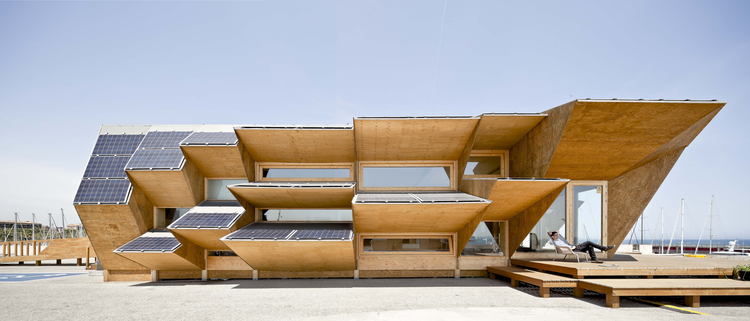
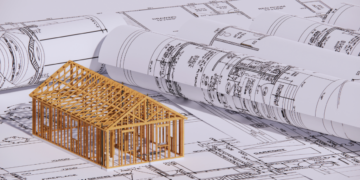
A. Engineered Mass Timber (CLT, Glulam, DLT): This is arguably the most significant structural revolution in decades. Cross-Laminated Timber (CLT), Glued Laminated Timber (Glulam), and Dowel-Laminated Timber (DLT) involve layering wood sections to create incredibly strong, stable panels, beams, and columns. They allow for wooden skyscrapers (a concept known as “plyscrapers”), sequestering carbon for the life of the building. Their prefabrication reduces construction waste and time.
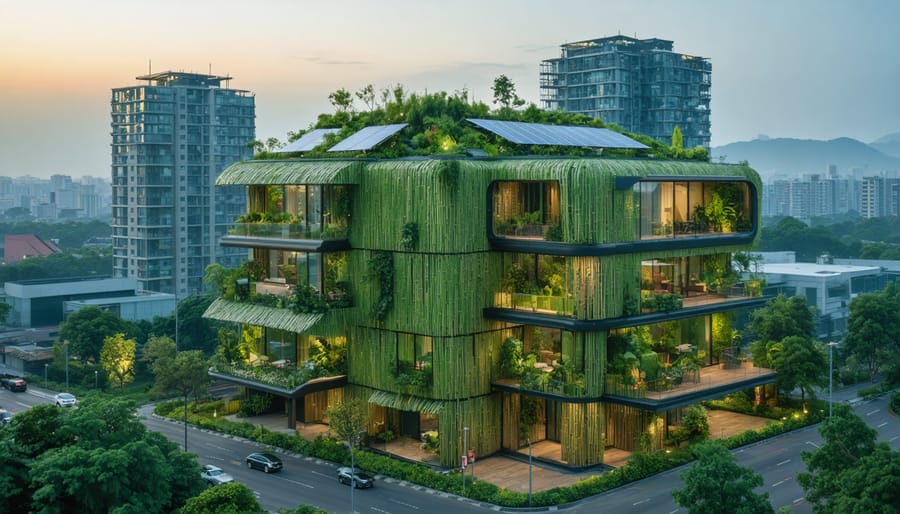
B. Bamboo: Often called “vegetable steel,” bamboo’s tensile strength rivals that of many alloys. As a grass that can grow over a meter per day, it is supremely renewable. Modern treatments have solved historical durability issues. It is used for flooring, cabinetry, structural elements, and stunning architectural features.
C. Hempcrete: A biocomposite made from the woody core (hurd) of the hemp plant mixed with a lime-based binder. Hempcrete is not structural but is used for insulation, wall infill, and plaster. It is lightweight, breathable, mold-resistant, and has excellent thermal and acoustic insulation properties. Crucially, the hemp plant absorbs large amounts of CO2 during its growth.
D. Cork: Harvested from the bark of cork oak trees without felling them, cork is resilient, fire-retardant, and an excellent insulator for floors, walls, and acoustic panels. Its unique cellular structure makes it compressible yet durable.
2. Recycled and Reclaimed Material Streams
Turning waste into building wealth is a central tenet of the circular economy in architecture.
A. Recycled Steel and Aluminum: Using recycled content in metal production consumes a fraction of the energy required for virgin ore. Structural steel with high recycled content is now standard in green building. Aluminum, especially from post-consumer sources, is invaluable for facades and finishes.
B. Recycled Glass and Glassphalt: Post-consumer glass can be crushed into fine powder (cullet) for use in countertops, tiles, and insulation (fiberglass). “Glassphalt” incorporates crushed glass into asphalt for roadways, creating more reflective and durable surfaces.
C. Recycled Plastic Lumber and Composites: Diverting plastic waste from oceans and landfills, these products create durable, rot-resistant decking, fencing, park benches, and even structural elements. They often blend plastic with wood fibers for improved performance.
D. Reclaimed and Salvaged Wood/ Brick: Giving old barn timbers, factory floorboards, or demolished brick a new life preserves the embodied energy of the original material and adds unmatched character and history to a new build. This practice reduces demand for new harvesting and manufacturing.
3. Innovative Low-Carbon and Carbon-Negative Binders
The cement in concrete is responsible for approximately 8% of global CO2 emissions. New binders aim to disrupt this.
A. Geopolymer Concrete (Green Concrete): This alternative uses industrial by-products like fly ash (from coal plants) or slag (from steel production) activated by alkaline solutions, entirely bypassing Portland cement. It can match or exceed the strength of traditional concrete with a 60-80% lower carbon footprint.
B. Ferrock: An emerging material that uses recycled steel dust (another industrial waste) and silica from ground glass. In a unique process, it actually absorbs and chemically binds carbon dioxide from the air as it hardens, making it a carbon-negative material suitable for marine environments and precast elements.
C. Hemp-Lime (Hempcrete): As mentioned, the lime binder in hempcrete slowly re-absorbs CO2 from the atmosphere through a process called carbonation, partially offsetting the emissions from lime production and locking carbon into the building fabric.
4. Smart and High-Performance Facade & Insulation Materials
The building envelope is critical for energy efficiency, and new materials make it dynamic and responsive.
A. Aerogel Insulation: Dubbed “frozen smoke,” aerogel is a silica-based material that is over 90% air, making it the world’s best insulating solid. While still expensive, its application in thin, space-saving panels is revolutionary for retrofits and projects with limited wall thickness.
B. Vacuum Insulation Panels (VIPs): These provide up to ten times the insulating power of conventional foam or fiberglass boards in a fraction of the thickness, ideal for ultra-efficient “Passivhaus” standards and appliance insulation.
C. Phase-Change Materials (PCMs): Integrated into wallboards, ceiling tiles, or concrete, PCMs absorb heat as they melt (during the day) and release it as they solidify (at night). This acts as a thermal battery, smoothing out indoor temperature swings and reducing HVAC loads.
D. Photovoltaic Glass and Building-Integrated Photovoltaics (BIPV): Moving beyond rooftop panels, BIPV turns the entire building skin into a power generator. Solar cells are embedded within windows, curtain walls, and roof tiles, generating clean energy without compromising aesthetics.
5. Regenerative and Biologically Active Materials
This frontier explores materials that are not just inert, but alive or life-promoting.
A. Mycelium Composites: The root structure of fungi (mycelium) can be grown around agricultural waste (like straw or husks) in molds. After drying, it forms a strong, lightweight, fire-resistant, and fully compostable material used for packaging, acoustic panels, and even structural blocks.
B. Biocement and Self-Healing Concrete: This involves embedding bacteria (like Bacillus pseudofirmus) or fungal spores into concrete. When cracks form and water enters, the microorganisms activate, precipitating calcium carbonate (limestone) to seal the crack autonomously, vastly extending the structure’s lifespan.
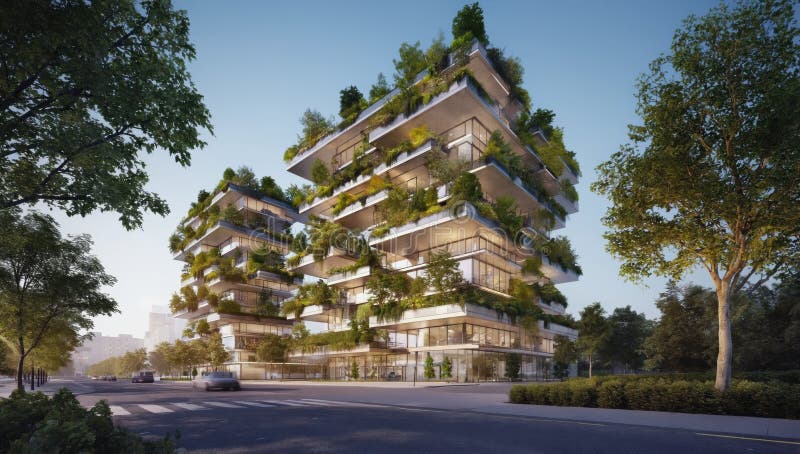
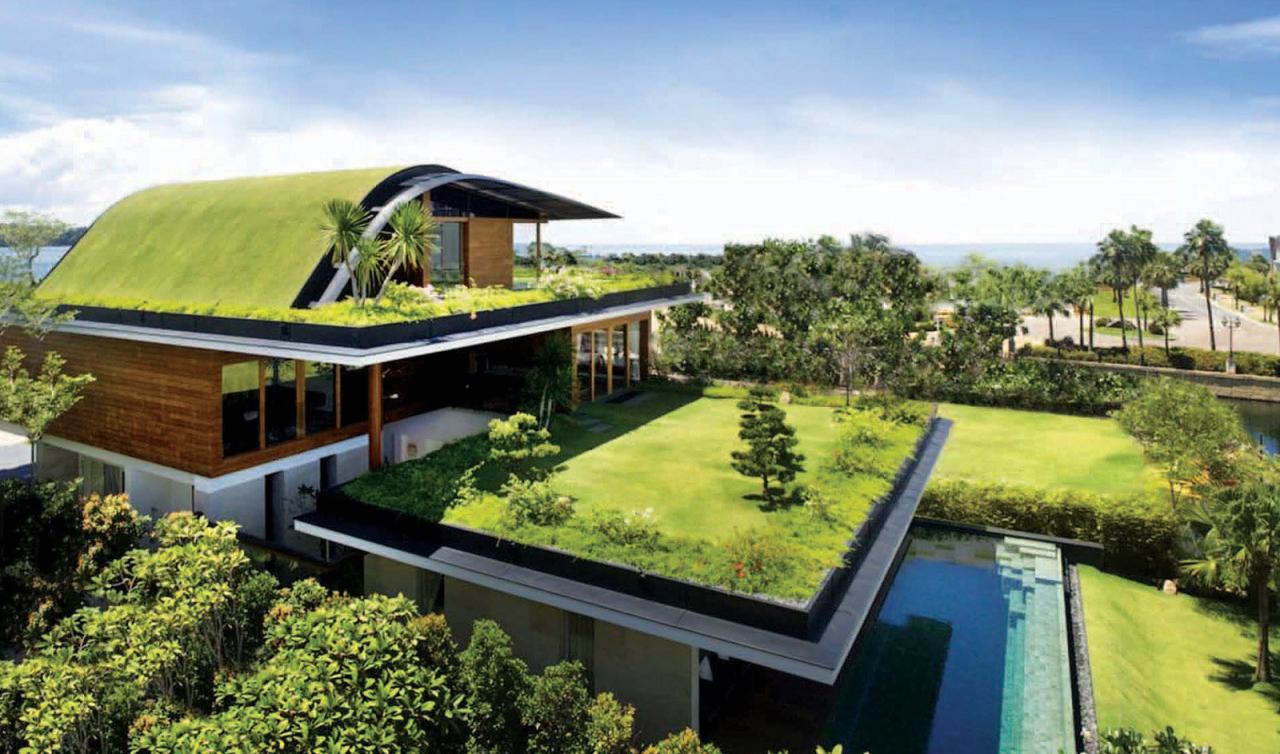
C. Living Walls and Green Roofs: While systems rather than single materials, they utilize a material matrix to support plant life. They provide insulation, stormwater management, habitat creation, and air purification, directly integrating nature into the built form.
Challenges and the Path Forward for Widespread Adoption
Despite their promise, sustainable materials face hurdles that must be addressed to achieve mainstream adoption.
A. Cost and Economics: Initial upfront costs can be higher than conventional materials due to lower economies of scale, nascent supply chains, and specialized installation knowledge. However, lifecycle cost analysis—factoring in energy savings, durability, and health benefits often reveals long-term savings.
B. Building Codes and Standards: Many regulatory frameworks are slow to adapt to new materials, requiring extensive testing and certification for structural, fire, and safety compliance. Advocacy and education within the building code community are essential.
C. Supply Chain and Availability: A robust, reliable supply chain for materials like mass timber, industrial by-products, or innovative composites is still developing in many regions, which can lead to project delays.
D. Knowledge Gap in the Workforce: Architects, engineers, and contractors require new training to specify, detail, and install these materials correctly. This demands a shift in professional education and continuous learning.
Conclusion: Building a Legacy of Responsibility
The sustainable architecture materials revolution is more than a technical catalog; it is a manifestation of a deeper ecological and ethical consciousness. It represents a shift from an extractive, linear model of “take, make, waste” to a regenerative, circular model that mimics nature’s efficient cycles. These materials empower architects to design buildings that are not merely less harmful, but actively beneficial structures that clean the air, produce energy, nurture health, and tell a story of resourcefulness and respect for the planet.
As research accelerates and market demand grows from both consumers and regulatory bodies, the cost will decrease, and accessibility will increase. The future of architecture is being built today from bamboo, mycelium, recycled steel, and carbon-sequestering concrete. It is a future where our homes, offices, and cities exist in harmony with the environment, proving that human ingenuity, when aligned with natural principles, can create a built world that is both beautiful and sustainable for generations to come. The choice of materials is no longer just an aesthetic or economic decision; it is a declaration of our values and our vision for the future.