The architectural landscape is undergoing a profound metamorphosis, not merely in the materials used for construction, but fundamentally in the methods of communication and presentation. For centuries, architects have relied on two-dimensional blueprints, intricate physical models, and, more recently, computer-generated static renderings to convey their vision. While effective, these traditional tools often leave a critical gap between the architect’s conceptualization and the client’s understanding. Enter Virtual Reality (VR), a technological force that is radically dismantling these barriers. No longer a speculative gadget for gamers, VR has emerged as the definitive tool for architectural presentations, transforming them from passive viewings into immersive, interactive experiences. This deep-dive exploration will chart VR’s revolutionary impact on the architecture industry, detailing its multifaceted advantages, practical implementation strategies, inherent challenges, and the profound future it is building. For architects, clients, and stakeholders, the message is clear: to visualize the future of spaces, one must step inside it.
From Flat Sketches to Immersive Worlds: The Evolution of Architectural Visualization
To fully appreciate VR’s disruptive power, one must understand its evolutionary context. Architectural presentation has traveled a long road:
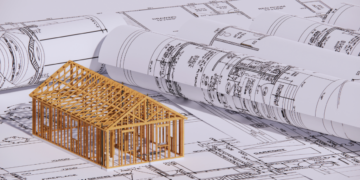
A. The Analog Era: This period was dominated by hand-drawn sketches, detailed ink-on-parchment blueprints, and meticulously crafted scale models made from wood, foam, and acrylic. These required immense skill and time but were limited by their static nature and fixed perspectives.
B. The Digital Dawn: The advent of Computer-Aided Design (CAD) and later, Building Information Modeling (BIM), revolutionized drafting and planning. Software like 3D Studio Max and SketchUp brought forth photorealistic still renders and animated walkthroughs. While a significant leap, these were often presented on flat screens, still observing the design from the outside.
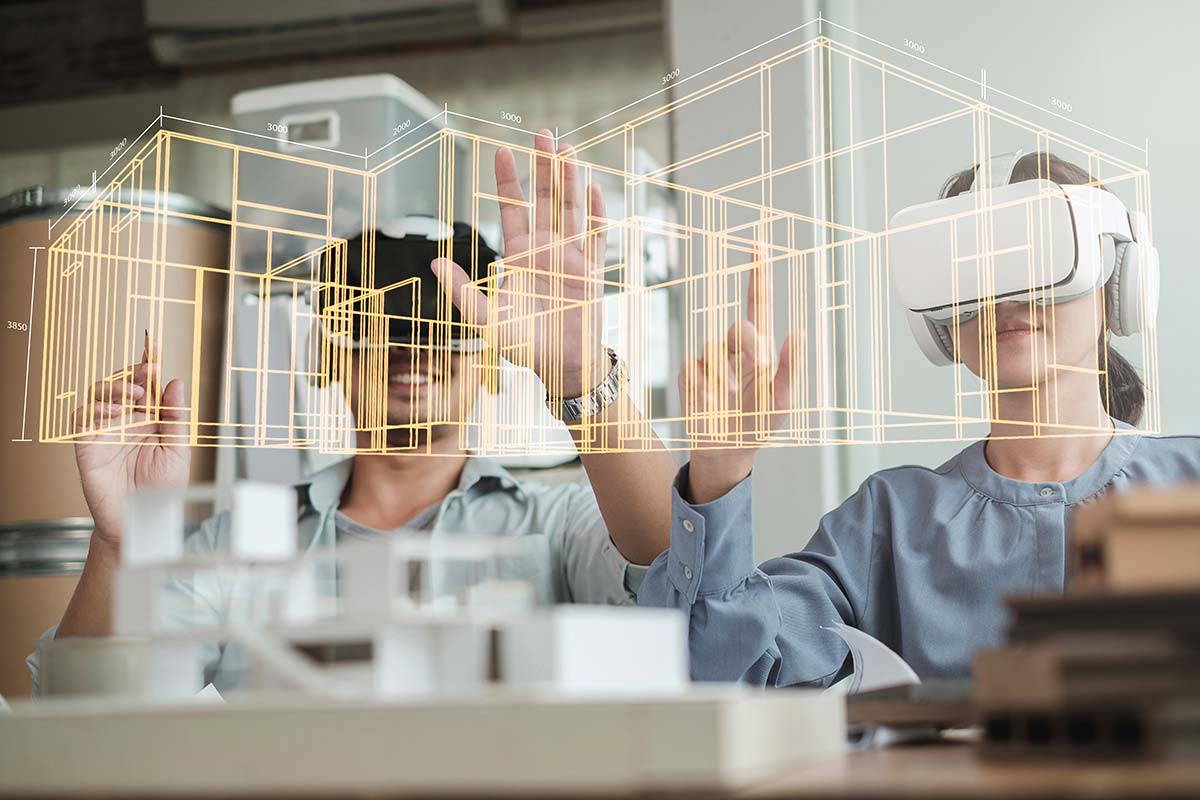
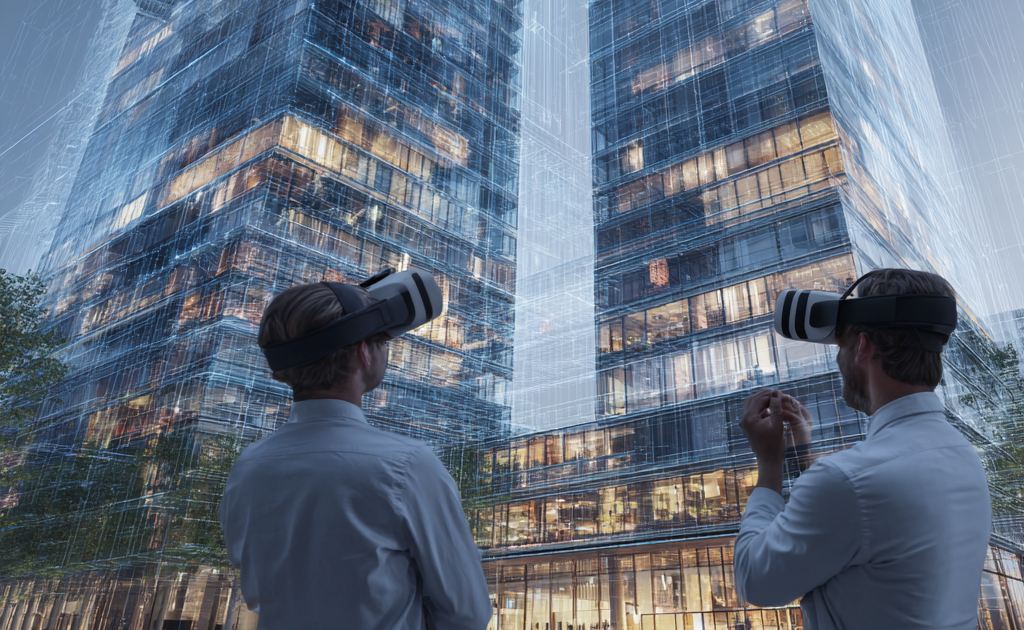
C. The Immersive Revolution: Virtual Reality represents the third, and most profound, wave. It leverages head-mounted displays (HMDs) and motion tracking to place the user inside the digital model. It doesn’t show a building; it simulates the experience of being within it. This transition from observation to inhabitation marks the core of its transformative power.
Deconstructing the Advantages: Why VR is a Game-Changer for Architects
The adoption of VR is not a matter of trend-following; it is driven by concrete, substantial benefits that enhance every phase of design communication.
A. Unparalleled Spatial Comprehension and Design Validation: Text descriptions and 2D plans cannot effectively communicate scale, volume, and proportion. VR eliminates guesswork. An architect can instantly validate if a ceiling feels too low, a hallway too narrow, or a grand atrium truly inspiring. This real-time spatial awareness allows for intuitive design corrections at a stage when changes are cost-effective.
B. Empowering Client Engagement and Streamlined Approvals: Client presentations cease to be lectures and become shared adventures. A client can virtually walk through their future home, office, or retail space. They can experience the morning light flooding into the living room or understand the flow from the kitchen to the dining area. This emotional connection and crystal-clear understanding dramatically reduce miscommunication, leading to faster, more confident approvals and a stronger client-architect relationship.
C. Enhanced Collaboration Across Disciplines: Modern construction involves architects, engineers, interior designers, and contractors. VR serves as a unified collaborative platform. All stakeholders can meet inside the model simultaneously (via multi-user VR platforms), regardless of their physical location. They can pinpoint clashes between structural elements and MEP (Mechanical, Electrical, Plumbing) systems, discuss material choices on-site, and make collective decisions, reducing errors and friction.
D. A Powerful Marketing and Pre-Sales Tool: For real estate developers, VR is a marketing superpower. Unbuilt properties can be “sold” or leased through immersive tours. Potential buyers can customize finishes, furnishings, and layouts in real-time. This creates a compelling competitive edge, generates excitement, and accelerates sales cycles by making the intangible tangibly experienced.
E. Inclusivity and Accessibility for Non-Technical Audiences: Not everyone can read a floor plan. VR democratizes understanding. Community stakeholders in a public project, board members of a corporation, or family members with no construction background can all participate meaningfully in the review process, fostering inclusivity and garnering broader support.
Implementing VR in Your Architectural Practice: A Strategic Blueprint
Adopting VR requires thoughtful planning. Here is a strategic pathway for integration:
A. Hardware Selection: Choosing the Right Gateway: The hardware spectrum ranges from affordable smartphone-based headsets (Google Cardboard) for basic 360° tours to powerful standalone devices (Meta Quest Pro, Pico 4) offering excellent wireless freedom, and up to premium PC-tethered systems (Varjo, HTC Vive) delivering photorealistic detail for high-stakes presentations. The choice depends on budget, required fidelity, and portability needs.
B. Software Ecosystem: The Creative Engine: The software is where models come to life.
-
Real-Time Rendering Engines: Tools like Unreal Engine and Unity are powerhouse platforms that import BIM/CAD data and create highly interactive, visually stunning VR experiences with dynamic lighting and physics.
-
Specialized Architectural VR Software: Applications such as Enscape, Twinmotion, and IrisVR Prospect plug directly into popular modeling software (Revit, SketchUp, Rhino), enabling one-click VR exports, drastically simplifying the workflow for architects.
C. Workflow Integration: Building the Pipeline: Success lies in seamless integration. The process typically involves: 1) Finalizing the 3D/BIM model; 2) Optimizing geometry and textures for VR performance; 3) Importing into the chosen VR software; 4) Setting up lighting, materials, and interactivity; 5) Conducting rigorous testing; and 6) Preparing the presentation narrative.
D. Crafting the Immersive Narrative: A VR presentation must be guided. Architects should prepare a “storybeat” directing attention to key features, enabling specific interactions (e.g., switching wall materials, toggling lighting schemes), and setting aside time for free exploration. This ensures the experience is both impactful and efficient.
Navigating the Current Challenges and Limitations
While transformative, VR in architecture is not without its current hurdles:
A. Initial Investment and Learning Curve: High-end hardware and software licenses require capital. Furthermore, teams need time and training to master the new tools and workflows, which can temporarily impact project timelines.
B. Technical Hurdles: Model Optimization and Fidelity: Complex, detailed architectural models can be taxing on VR systems. Optimizing them to run smoothly at 90 frames per second without sacrificing visual quality is a technical skill. “VR sickness” can occur if performance is laggy.
C. The Physical Experience Gap: While visually immersive, current VR cannot perfectly replicate tactile sensations the feel of a marble countertop, the acoustics of a space, or the temperature of a sunlit patio. This remains a sensory limitation.
D. Accessibility and User Comfort: Not every client is physically able or comfortable wearing a headset. Some may experience disorientation or eye strain. Having alternative presentation materials remains a necessary backup.
The Future Constructed in VR: Emerging Trends and Possibilities
The trajectory of VR points toward even more integrated and intelligent applications:
A. Integration with Augmented Reality (AR) and Mixed Reality (MR): The future lies in blending the digital and physical. AR (overlaying digital info on the real world) could allow clients to see a proposed building addition on their actual property. MR (where digital and physical objects interact) could enable an architect to manipulate a holographic model on a real-site table.
B. AI-Driven Generative Design in VR: Imagine describing a space in natural language (“a bright, calm living room with views of the garden”) and having AI generate multiple design options instantly, which you can then step into and refine in VR. This symbiotic relationship will accelerate creative exploration.
C. Haptic Feedback and Multi-Sensory Immersion: Advancements in haptic gloves and suits will begin to simulate touch and weight, allowing users to “feel” a virtual texture or the resistance of a virtual lever. Olfactory and wind simulation could further deepen the sense of presence.
D. VR as a Standard in Building Codes and Sustainability Analysis: VR simulations could be used to rigorously test designs against building codes for emergency egress. Furthermore, integrated environmental data could allow stakeholders to visually experience a building’s energy flows, solar gain, and wind patterns, making sustainable design choices more intuitive.

Conclusion: The New Foundation of Architectural Communication
Virtual Reality is not merely enhancing architectural presentations; it is redefining the very language of architectural communication. It has shifted the paradigm from “Let me show you” to “Let me take you there.” By bridging the gap between imagination and reality, VR minimizes risk, maximizes understanding, and fosters a collaborative, empathetic design process. The initial barriers of cost and complexity are steadily lowering, while the technological capabilities are exponentially rising. For forward-thinking architectural firms, the investment in VR is no longer a question of “if” but “when.” It is an investment in clearer communication, superior client satisfaction, and ultimately, in building better, more human-centric spaces. The blueprint of the future is no longer a drawing; it is a world waiting to be entered, experienced, and perfected before a single brick is laid.