In the rarefied world of luxury residential architecture, success is measured not merely in square footage or price per square meter, but in the seamless fusion of emotion, engineering, and exclusivity. While glossy magazines showcase the stunning facades and awe-inspiring interiors of multi-million dollar estates, the true foundations of these masterpieces are a set of disciplined, often unspoken, principles adhered to by the world’s most sought-after architects. These are not simple building codes, but a rigorous philosophy that transforms expensive construction into timeless, soul-stirring patrimony. This treatise delves deep into the architect’s secret code, revealing the seven cardinal rules that govern the creation of truly transcendent luxury homes, offering an indispensable guide for discerning clients, aspiring architects, and real estate connoisseurs alike.
The Foundational Ethos: Beyond Shelter, Beyond Statement
Luxury home architecture at its zenith transcends the basic human need for shelter and even the desire to make a statement. It enters the realm of creating a legacy. The primary secret is a shift in perspective: the home is not an object to be built, but a deeply personal ecosystem to be curated. It must respond to the land’s whisper, the client’s subconscious dreams, and the future’s uncertain demands, all while presenting an image of effortless grace. This complex ballet requires a rulebook that prioritizes intangible value over visible cost, permanence over trend, and experiential depth over superficial impact.
A. The Primacy of Site: The Land is the First and Foremost Client
Before a single line is sketched, master architects engage in a profound dialogue with the site. This is the first and non-negotiable rule.
Deep Site Psychogeography: This goes beyond topography surveys and sun path studies. It involves understanding the genius loci the unique spirit of the place. An architect might spend days on the property at different times, noting how morning mist fills a valley, where the winter winds are most fierce, how ancient trees frame views, or even the sonic quality of the environment. A home on a rugged coastal cliff should feel fundamentally different from one in a serene forest or an urban penthouse; it must emerge as an inevitable extension of its context.
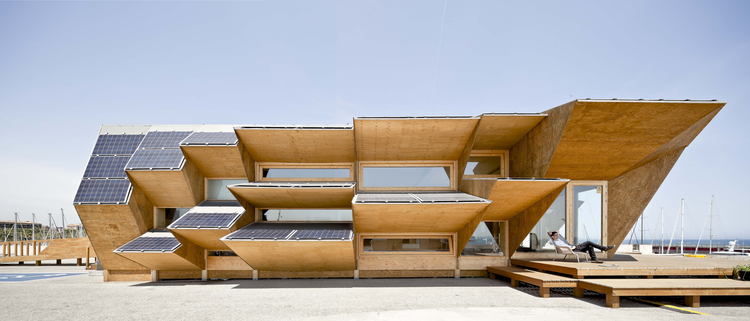
Responsive, Not Imposed Design: The design responds with humility and intelligence. This might mean cantilevering over a cliff to minimize ground disturbance, orienting living spaces to capture a specific, fleeting sunset alignment, or using excavated stone from the site as the primary cladding material. The goal is to make the house look as if it belonged there for centuries, or as if the land itself gracefully gave way for its creation.
Strategic Privacy and Prospect: For elite clients, privacy is paramount, but so are commanding views. The rule involves creating layered privacy from public street, to semi-private gate, to secluded courtyard, to ultimate sanctuary. This is achieved through intelligent landscaping, subtle grade changes, and strategic placement of wings, not merely high walls.
B. The Narrative of Circulation: Choreographing Experience
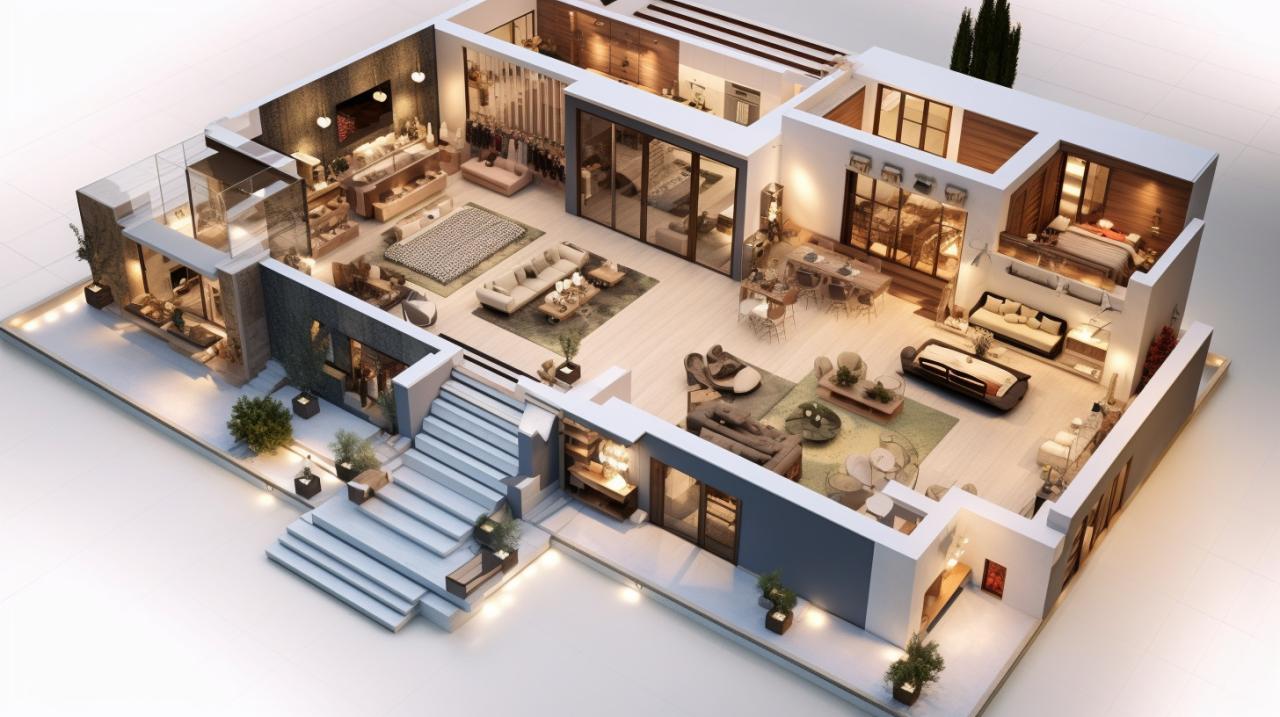
How one moves through a luxury home is meticulously scripted, much like a director blocking a film. The journey from arrival to repose is designed to evoke specific emotional rhythms.
The Sequential Revelation: The full spectacle is never immediately revealed. A compelling entry sequence might involve passing through a solid, textured gate into a minimalist courtyard with a single water feature, then through a compressed passage that opens explosively into a double-height living room with panoramic views. This manipulation of compression and release, of concealment and revelation, builds anticipation and drama.
The Hierarchy of Spaces: Circulation defines importance. A formal axis might lead to public entertaining suites, while a more intimate, softly lit corridor wanders towards private family quarters and the primary suite. Service circulation is entirely separate, often with dedicated elevators and corridors, ensuring the functional machinery of the home is invisible to the guest experience.
Sensory Wayfinding: The path is guided not just by sight, but by texture underfoot, the soundscape (from quiet carpet to resonant stone), and even scent (from a courtyard orange grove to a library’s leather). This multi-sensory guidance makes navigation intuitive and rich.
C. The Integrity of Materials: Truth, Tactility, and Patina
Luxury is communicated through the honesty and sensuality of materials. The secret rule is: let materials be what they are, and celebrate their natural aging.
The Gospel of Authenticity: Veneers that pretend to be solid wood, plastic masquerading as stone, or composites mimicking metal are strictly forbidden. This ethos values a block of Calacatta Gold marble with its inherent fissures, quartersawn oak with its medullary rays, or hand-patinaed bronze that will evolve over time. The story and provenance of materials a reclaimed timber from a historic barn, limestone from a specific French quarry become part of the home’s narrative.
The Human Touch Imperative: Machine-perfect surfaces can feel sterile. The human hand must be evident. This means specifying hand-troweled plaster walls that show subtle variations, forged ironwork over cast, and custom millwork with fine, deliberate joinery. This tactile imperfection creates warmth and soul.
The Patina Paradox: Truly luxurious architecture is designed to look better with age. Materials are chosen for their ability to weather gracefully copper that develops a verdigris hue, teak that silvers, stone that gains a soft wear pattern. The home is not a static museum piece but a living entity that matures.
D. The Symphony of Light: The Ultimate Designer
Light is the invisible paintbrush that colors space. Master architects treat natural light as a primary building material and artificial light as its precise, supporting counterpart.
Harnessing the Celestial Cycle: Rooms are oriented for specific light qualities: cool, even north light for artist studios; warm, dynamic east light for breakfast rooms; dramatic, lateral west light for evening lounges. Light shelves, clerestory windows, and carefully calibrated overhangs are used to pull light deep into plans, creating pools of illumination that change throughout the day.
The Layered Artificial Lighting Scheme: A single overhead light is anathema. Lighting is layered into four key tiers:
-
Ambient: Soft, general fill (often from cove lights or uplights).
-
Task: Focused light for specific activities (library lamps, kitchen counter fixtures).
-
Accent: Light that highlights art, architecture, or textures (picture lights, wall grazers).
-
Decorative: The jewelry of lighting—a sculptural chandelier or iconic sconce that serves as art.
Lighting control systems are non-negotiable, allowing scenes to be set for “Morning,” “Entertaining,” “Cinema,” or “Night,” modulating the home’s mood instantly.
E. The Sanctuary Paradigm: The Primary Suite as a Personal Universe
In luxury homes, the primary suite is no longer just a bedroom and bath. It is a self-contained retreat, a spa, and a command center arguably the most meticulously detailed area of the home.
The Decompression Zone: The entry to the suite itself is a transition, perhaps a small vestibule or private lounge, demarcating it from the rest of the home. The sleeping area is sized for intimacy and calm, not sheer volume, with optimal orientation for peace and privacy.
The Bathing Ritual: The bathroom evolves into a wellness spa. Key features include: a wet room with a dedicated shower and freestanding tub (often with a view), integrated sauna or steam, heated floors and towel racks, and meticulous ventilation to prevent mirror fog. Materials are serene, durable, and sensual—think honed stone, warm wood, and underfloor heating.
The Curated Wardrobe: The closet is a professional dressing room with dedicated zones (daywear, eveningwear, seasonal storage), island units for accessories, valet rods, and specialized lighting that renders colors accurately. It is a functional, organized, and beautiful space in its own right.
F. The Seamless Integration of Technology and Sustainability
The highest form of luxury is effortless, intuitive control and responsible stewardship. Technology and sustainability are not add-ons but are woven into the home’s DNA from the outset.
The Invisible Smart Home: Technology is deeply embedded and context-aware. Motorized shades lower automatically at sunset, AV systems provide whole-home audio with pinpoint source control, and security is robust yet unobtrusive. The interface is simplified—often via intuitive touch panels or voice control—hiding complex wiring and servers in dedicated, ventilated closets.
Conscious Opulence (Sustainable Luxury): True luxury is guilt-free and efficient. This rule incorporates passive design (superior insulation, thermal mass, natural cross-ventilation), active systems (geothermal heat pumps, photovoltaic solar arrays integrated into roofing), and water reclamation (greywater systems for landscaping). Sustainability is achieved with premium, durable materials that last generations, reducing the need for replacement.
G. The Art of Collaboration and Curation
No architect, regardless of genius, works in a vacuum. The final secret rule is the assembly and leadership of a world-class collaborative team.
The Master Builder Alliance: The architect selects a builder not on bid price alone, but on craftsmanship, problem-solving ability, and shared philosophy. This relationship is one of mutual respect, crucial for navigating the inevitable challenges of complex custom builds.
The Curation of Art and Craft: The architect often guides the integration of art not as decoration, but as integral to the spatial experience. This extends to commissioning custom furniture, textiles, and fixtures from master artisans, ensuring every element is coherent and unique.
Client as Co-Creator: The process is intensely collaborative with the client. Through deep-dive interviews, mood boards, and immersive 3D walkthroughs, the architect draws out the client’s unspoken desires, often understanding their lifestyle better than they do themselves. The home becomes a true reflection of its inhabitants.

Conclusion: The Legacy Imperative
The ultimate, unspoken rule that binds all others is the Legacy Imperative. The question driving every decision is: “Will this home not only serve its first owners but also endure as a cherished, valuable, and relevant entity for decades or even centuries to come?” This mindset fights against fleeting trends, opting for timeless proportions, robust construction, and adaptable spaces. It considers how future technologies will be integrated and how family needs may evolve. A luxury home built under this code is more than an asset; it is a chapter in architectural history, a sanctuary for generations, and a testament to the profound belief that our surroundings have the power to elevate the human spirit. It is the meticulous application of these seven secret rules that separates a merely expensive house from a truly priceless home.