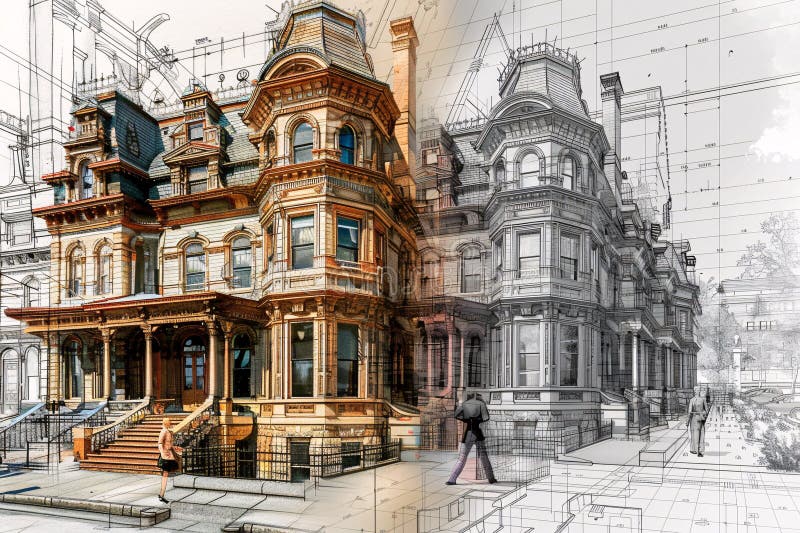
The architectural process is an extraordinary journey of transformation, where a fleeting thought evolves into a tangible structure that defines skylines and communities. This metamorphosis from abstract sketch to concrete reality is a complex, multi-stage odyssey that blends artistry, science, and rigorous problem-solving. For aspiring architects, clients, and design enthusiasts, understanding this intricate workflow demystifies how our built environment comes to life. It reveals the meticulous craftsmanship behind every building, bridge, and home. This comprehensive exploration delves into the architect’s systematic process, detailing each critical phase that ensures a vision is not only realized but also stands as a functional, sustainable, and aesthetic testament to human ingenuity.
A. The Genesis: Conceptualization and Initial Sketches
Every architectural marvel begins with a single idea. This nascent phase is less about precision and more about boundless creativity and understanding.
1. Client Brief and Site Analysis: The process is ignited by a dialogue. Architects engage in deep consultations to understand the client’s needs, aspirations, budget, and functional requirements. Concurrently, a thorough site analysis is conducted. This involves studying topography, solar orientation, wind patterns, existing vegetation, soil conditions, legal zoning restrictions, and the cultural context of the surrounding area. This dual understanding of human needs and environmental opportunities/constraints forms the project’s foundation.
2. The Primacy of the Sketch: Armed with this information, the architect reaches for the most fundamental tool: the sketch. In an age of digital dominance, the freehand sketch remains irreplaceable. It is a rapid, intuitive, and deeply personal method for exploring forms, spatial relationships, and conceptual themes. These initial drawings are not plans; they are visual thoughts quick studies in proportion, massing, and flow. They allow for the exploration of multiple avenues without significant time investment, capturing the emotional and experiential essence of the proposed space.
B. The Bridge: Schematic Design and Early Development
This stage translates the conceptual energy of the sketches into a clearer architectural language, creating a bridge between idea and viable design.
1. Diagramming and Massing: Conceptual sketches evolve into analytical diagrams. Bubble diagrams map out functional relationships between spaces (e.g., connecting living areas to kitchens, ensuring private zones are separate from public ones). Massing models, often physical or simple digital blocks, explore the three-dimensional volume of the building on the site, helping to visualize scale, proportion, and overall form.
2. Preliminary Plans and Elevations: The first rough floor plans, site plans, and building elevations are developed. These drawings begin to assign dimensions and define spatial layouts. Feedback loops with the client are crucial here, ensuring the developing scheme aligns with their vision before significant resources are invested in detailing.
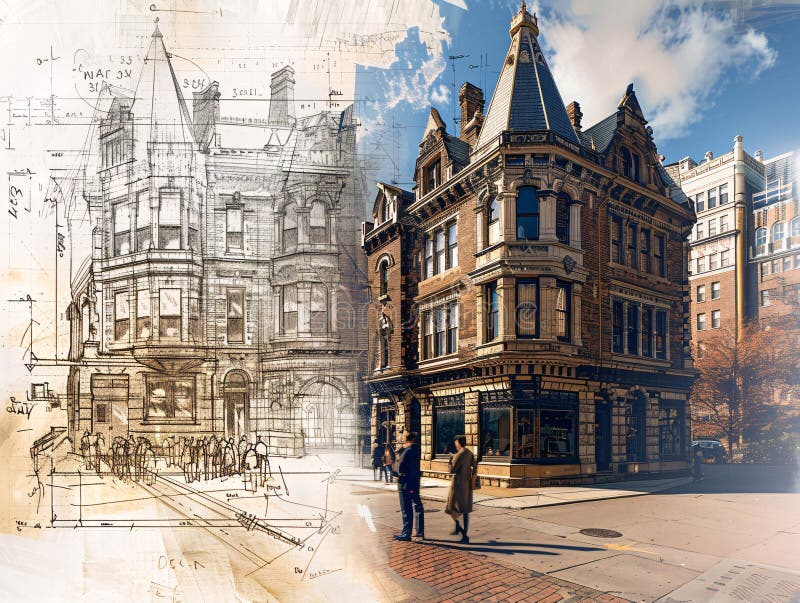
C. The Blueprint: Design Development and Technical Refinement
With a approved schematic design, the project enters a phase of intense refinement and technical resolution. The “what” of the design now meets the “how.”
1. Systems Integration: The design is developed in concert with consulting engineers (structural, mechanical, electrical, plumbing). The placement of walls now considers structural loads. Window sizes are analyzed for natural light and thermal performance. The design integrates systems for HVAC, electrical conduits, and water management. Material selections are finalized, considering aesthetics, durability, sustainability, and cost.
2. Advanced Modeling and Visualization: Tools like Building Information Modeling (BIM) become central. Unlike simple 3D modeling, BIM creates an intelligent digital prototype containing vast data about every component. This allows for clash detection (preventing pipes from running through beams), detailed material take-offs for costing, and sophisticated energy modeling. High-fidelity renderings and animations are produced, giving clients and stakeholders a photorealistic preview of the finished project.
D. The Legal and Construction Manual: Construction Documents (CDs)
This phase produces the exhaustive set of instructions necessary for permitting and construction. The creative vision is codified into legally binding technical language.
1. The Document Set: The CD set is exhaustive, including detailed floor plans, roof plans, reflected ceiling plans, interior and exterior elevations, building sections and wall details, structural drawings, and specifications. Every bolt, finish, and tolerance is documented. These documents are submitted to local authorities for building permit approval and become the primary reference for contractors bidding on and building the project.
2. Specifications and Legal Language: Alongside drawings, a project manual containing technical specifications is prepared. This written document legally defines the quality, standards, and installation methods for every material and product used, from the concrete mix to the door hardware.
E. The Realization: Bidding, Negotiation, and Construction Administration
The architect’s role shifts from primary creator to facilitator and guardian of the design intent as the project moves into the physical world.
1. Contractor Selection: The architect often assists the client in the bidding or negotiation process, helping to evaluate contractor proposals, qualifications, and costs to select the right builder for the project.
2. Construction Administration: This is a critical, on-the-ground phase. The architect makes regular site visits to observe progress, answer contractor questions, review shop drawings from subcontractors, and certify payments to the contractor based on completed work. The architect acts as the client’s agent, ensuring the construction aligns with the design intent and document specifications, interpreting plans, and authorizing minor adjustments as unforeseen conditions arise.
F. Beyond Completion: Post-Occupancy Evaluation and Legacy
The architect’s responsibility extends beyond the ribbon-cutting. A truly dedicated process includes reflection and assessment.
1. Formal and Informal Evaluation: A post-occupancy evaluation (POE) assesses how the building performs in reality versus design predictions. This includes analyzing energy usage, occupant satisfaction, and functional performance. It provides invaluable lessons that inform future projects, closing the loop of the design process.
2. The Living Building: Ultimately, a successful architectural process results in a structure that transcends its physical form. It becomes a living part of its environment, shaping human experience, fostering community, and standing as a durable, functional work of art. It represents the successful culmination of a thousand decisions, from that first sketch to the final coat of paint.
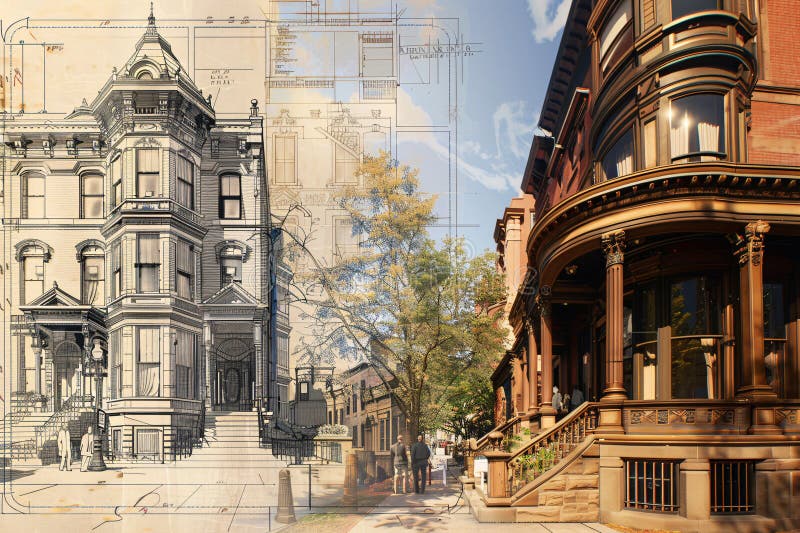
The Indispensable Human Element in a Digital Age
While technology like BIM, 3D rendering, and computational design has revolutionized efficiency and precision, the architect’s process remains fundamentally human. It is driven by empathy (understanding the client and end-user), ethical responsibility (to the public and environment), problem-solving creativity, and aesthetic judgment. The software is a tool; the architect is the conductor, synthesizing art, science, and human need.
The journey from sketch to reality is a testament to perseverance, collaboration, and visionary thinking. It is a disciplined yet creative framework that transforms intangible desires into safe, sustainable, and inspiring habitats. For anyone involved in creating or commissioning a building, appreciating this detailed workflow fosters deeper respect for the profession and leads to more successful, meaningful outcomes. The next time you admire a building, remember: it began not with steel and glass, but with a curious mind, a blank page, and the courage to imagine what could be.